
Ceramic Coating Manufacturers in India
The Ultimate Industrial and Technological Guide by BTcorp Generique Nano
The Evolution of Surface Protection: Why Advanced Ceramics are Redefining India’s Industrial Landscape
The automotive and industrial sectors across India have undergone a seismic shift over the past decade. As the nation accelerates toward global manufacturing standards, the reliance on outdated, temporary surface treatments—such as traditional carnauba waxes and standard polymer sealants—has plummeted. These conventional products, while popular in the past, simply cannot withstand the rigors of modern environmental exposure, often degrading within mere weeks under the influence of harsh ultraviolet (UV) rays, acidic industrial fallout, and heavy road grime. Today’s high-value assets demand more than just a temporary shine; they require permanent, resilient, and scientifically advanced defense systems. At the heart of this industrial metamorphosis is the rise of ceramic coating manufacturers in India, who are leveraging next-generation nanotechnology to provide unprecedented surface longevity.
In a country defined by extreme climatic diversity—where scorching summer temperatures frequently exceed 45°C, heavy monsoon humidity fosters oxidation, and corrosive coastal air acts as a catalyst for decay—standard protection is insufficient. Vehicles and industrial machinery in India face a level of environmental stress unseen in many other markets. When traditional waxes melt or wash away, the structural integrity of paintwork is compromised, leading to fading, etching, and micro-scratches.
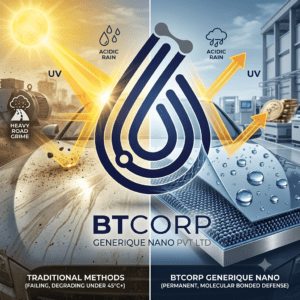
To combat these challenges, industry leaders like BTcorp Generique Nano Pvt. Ltd. have emerged as the gold standard. By establishing molecular-level barriers that physically bond with factory substrates, these manufacturers are effectively halting degradation pathways. Unlike surface-level sealants, these advanced coatings become an integrated, sacrificial, and highly durable layer of the surface itself.
The Benchmark of Modern Surface Care
| Old Methodology | Advanced Ceramic Nano-Tech |
|---|---|
| Carnauba & Synthetic Wax (Temporary) | Hybrid Graphene-Ceramic (Permanent) |
| Degrades in 2-4 weeks | Endures for years |
| Zero Thermal Protection | Active Thermal Dissipation |
Not all protective layers are created equal. The chemical landscape has evolved far beyond basic silica-only formulas. Today, the true benchmark is graphene-infused hybrid ceramic nanotechnology. BTcorp Generique Nano Pvt. Ltd. is leading this technological revolution from the front lines, effectively positioning India as a global powerhouse in advanced materials science. By bridging complex molecular research with high-volume industrial production, they ensure that the “Made in India” label is synonymous with top-tier protective performance.
Whether you are searching for the best ceramic coating manufacturers in India, seeking reliable graphene ceramic coating bulk suppliers, or exploring private label ceramic coating manufacturing, understanding the underlying science is non-negotiable. As we delve into the technical mechanisms of these coatings, it becomes clear why industry professionals are pivoting toward these advanced nanotechnological solutions to ensure their assets remain pristine against the unforgiving Indian climate.
2. What is Ceramic Coating? The Molecular Science of Permanent Armor
To truly appreciate why advanced ceramic coatings have become the gold standard for surface protection in the automotive and industrial sectors, one must look past the glossy aesthetic finish and delve into the microscopic world. Ceramic coating manufacturers in India are not just bottling chemicals; they are engineers of molecular-level defense. Understanding the science behind these coatings explains why they are the preferred choice for those seeking longevity, durability, and unmatched protection against the unforgiving Indian climate.
Defining the Core Technology
At its simplest level, a ceramic coating is a liquid polymer formulated predominantly from high-purity silicon dioxide (SiO2), titanium dioxide (TiO2), and increasingly, advanced carbon allotropes like graphene. Unlike traditional carnauba waxes or polymer sealants that merely rest on the surface and wear off within weeks, a ceramic coating undergoes a chemical transformation. When applied to a porous vehicle clear coat, painted panel, industrial glass, or metal substrate, the liquid cures and chemically bonds with the factory material. It becomes an integrated, sacrificial, and durable structural layer, essentially serving as a transparent suit of armor for the asset it protects.
The Curing and Cross-Linking Mechanism
The magic lies in the cross-linking polymerization reaction. Upon application, the coating is exposed to ambient air and humidity, which triggers the evaporation of solvent carriers. As these solvents vanish, the active polymers begin to connect at a molecular level. This transforms the liquid layer into an inorganic, rigid, yet surprisingly flexible quartz-glass or ceramic-carbon matrix. This matrix achieves an extreme hardness rating of 9H to 10H on the pencil hardness scale—significantly harder than factory automotive clear coats. This isn’t just a protective film; it is a permanent structural enhancement.
Key Functional Characteristics
| Characteristic | Molecular Benefit |
|---|---|
| Permanent Bonding | Chemically fuses to substrate, resisting wash-off and environmental friction. |
| Extreme Hydrophobicity | Reduces surface energy to promote “self-cleaning” through water beading. |
| Chemical Resistance | Blocks acid rain, industrial fallout, and bird droppings from etching paint. |
| UV Protection | Active inhibitors reflect solar radiation to prevent fading and oxidation. |
When industry professionals search for the best ceramic coating manufacturers in India, they are looking for precisely this level of performance. The extreme hydrophobicity (water repellency) achieved by these coatings means that surface energy is drastically reduced. Water does not spread across the surface; it forms tight, spherical beads that roll off effortlessly, carrying away loose dust and environmental contaminants in a natural, self-cleaning action. This is vital in India, where dusty roads and high pollution levels can otherwise lead to abrasive micro-scratches.
Furthermore, the dense molecular shield provided by these advanced coatings is the only viable defense against corrosive environmental elements. From acidic industrial fallout common in manufacturing hubs to the harsh road salts and debris encountered during long-distance transport, these coatings prevent etching into the underlying factory paintwork. Additionally, the UV ray reflection properties are non-negotiable for the Indian climate. Solar radiation is a primary cause of clear coat degradation, resulting in oxidation, peeling, and dullness. Premium ceramic formulations feature specialized UV inhibitors that deflect harmful rays, ensuring the asset retains its factory-fresh appearance for years.
In conclusion, the transition from temporary, labor-intensive waxes to permanent ceramic nanotechnology is a logical progression for any serious asset owner. By choosing top-tier ceramic coating manufacturers in India, clients are investing in a sophisticated chemical barrier that respects both the science of the materials and the intensity of the environment they must face every single day.
3. Manufacturing Process by BTcorp Generique Nano Pvt. Ltd.
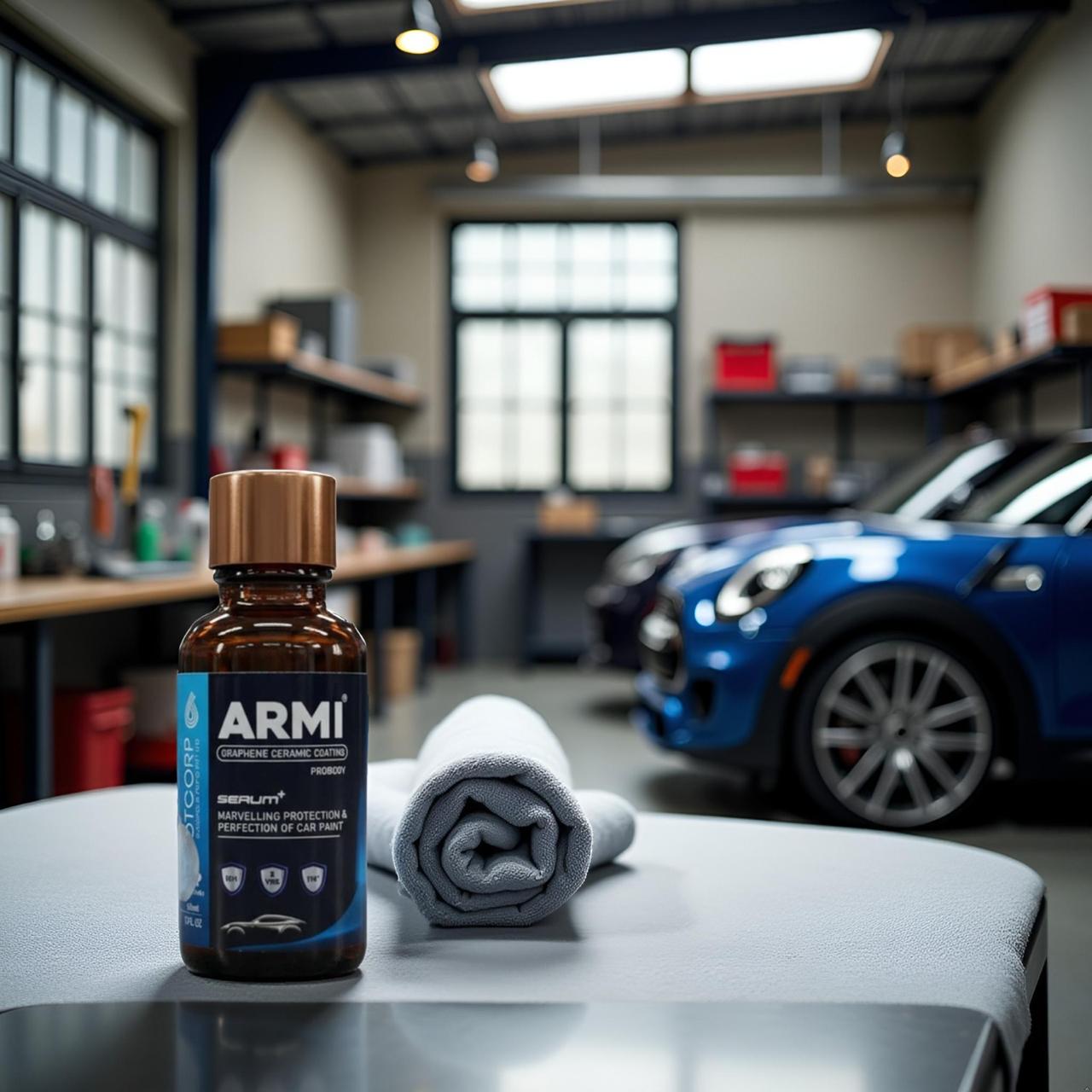
Manufacturing high-purity nanomaterials and stable ceramic formulations is a feat of advanced chemical engineering. While many market players in the industry function merely as “blending houses”—importing generic raw chemicals and bottling them with local labels—BTcorp Generique Nano Pvt. Ltd. stands apart. As the operator of India’s first metric-ton-scale graphene manufacturing ecosystem, BTcorp exerts absolute control over the entire production pipeline, from the raw carbon source to the final, high-performance ARMI® consumer and industrial formulations.
Phase 1: High-Purity Raw Material Synthesis
The foundation of BTcorp’s advanced ceramic and coating formulations begins with high-grade natural vein graphite. Unlike synthetic alternatives, our natural graphite possesses a superior crystal structure essential for high-performance nanomaterials.
- Exfoliation and Oxidation: We employ proprietary green chemical processes to conduct controlled oxidation and intercalation, effectively separating tightly bound carbon layers while preserving their hexagonal lattice integrity.
- Nano-Derivatives: BTcorp synthesizes diverse nanocarbon variants, including pristine Graphene, Graphene Oxide, and Reduced Graphene Oxide, all tailored for specific industrial matrices.
Phase 2: Precision Morphology and Defect Control
In nanotechnology, consistency is everything. Flake agglomeration can destroy surface area advantages and create weak points. We prevent this through:
| Technique | Benefit |
| Hydrodynamic Cavitation | Breaks down agglomerates into single-layer nanosheets. |
| Advanced Stabilization | Proprietary non-toxic agents prevent sedimentation, ensuring infinite shelf stability. |
Phase 3: Surface Functionalization
Raw carbon is naturally inert. To achieve the ARMI® performance standard, we perform chemical grafting, where expert R&D chemists attach specific functional groups to graphene sheets. This ensures the carbon seamlessly bonds with ceramic-silane hybrids, drastically elevating the tensile strength and thermal dissipation of the final film.
Phase 4: Advanced Performance Optimization
Our formulations outperform the market through:
Phase 5: Quality Architecture & Scale
Consistency is the hallmark of BTcorp. Our automated bulk lines are backed by rigorous spectroscopic analysis and viscosity testing. Whether you are using our ARMI® Graphene Ceramic Nano Coating or bulk supplies, you are receiving a product refined by world-class science. Our commitment to batch-to-batch predictability is why we remain the top choice for ceramic coating manufacturers in India and beyond.
4. Company Overview & Global Export Footprint: BTcorp Generique Nano
Established in 2012, BTcorp Generique Nano Pvt. Ltd. has evolved from a boutique, research-focused pioneer into India’s foremost industrial-scale nanotechnology and advanced materials manufacturing enterprise. Over the past decade, we have redefined the domestic landscape for high-performance coatings, positioning ourselves as the backbone for ceramic coating manufacturers in India who demand nothing less than molecular perfection.
World-Class Scientific Leadership
At the heart of BTcorp lies an internal R&D powerhouse. Every formulation—from our signature ARMI® automotive range to industrial-grade nanocarbon additives—is conceptualized, rigorously tested, and refined by a dedicated team of world-class scientists, chemical engineers, and nanotechnology experts. Unlike standard blending houses, our facility operates on the principle of evidence-based chemistry. This intellectual rigor allows BTcorp to push the boundaries of materials science far beyond standard commercial limitations, ensuring that every product we release is optimized for the specific challenges of the Indian climate and the global industrial market.
Advanced Contract Research Organization (CRO) Services
Beyond manufacturing our own retail catalogs, BTcorp functions as a premier Contract Research Organization (CRO) for the global materials industry. We provide end-to-end technical support to enterprises looking to enter the nanotech space:
A Global Outsourcing & Bulk Export Powerhouse
BTcorp does not restrict its high-performance output to the domestic market. Operating on a true industrial scale, the company routinely exports bulk shipments to clients across more than 40 countries. Whether you are searching for trusted car ceramic coating wholesale suppliers or seeking white-label OEM ceramic coating formulators in India, we deliver scalable, reliable, and cost-effective solutions.
| Service Metric | BTcorp Performance Standard |
|---|---|
| Global Export Reach | 40+ Countries Worldwide |
| Industry Experience | Since 2012 (Pioneering Nanotech) |
| Manufacturing Model | Metric-ton Scale Industrial Ecosystem |
By bridging the gap between cutting-edge molecular research and high-volume commercial production, BTcorp continues to establish India as a global powerhouse in the advanced materials sector. We invite global brands and domestic detailers alike to join us in redefining what is possible in surface protection.
5. Flagship ARMI® Automotive Products: The Zenith of Surface Care
Channeling advanced laboratory breakthroughs directly into professional-grade automotive care products yields formulations that outperform traditional market alternatives by a hundredfold. Crafted by BTcorp Generique Nano’s expert scientists, the ARMI® range represents the pinnacle of surface science. These solutions offer unmatched utility for vehicle owners and detailing professionals who refuse to compromise on the structural integrity or aesthetic brilliance of their assets.
Why ARMI® Outperforms Conventional Alternatives
The ARMI® Product Ecosystem
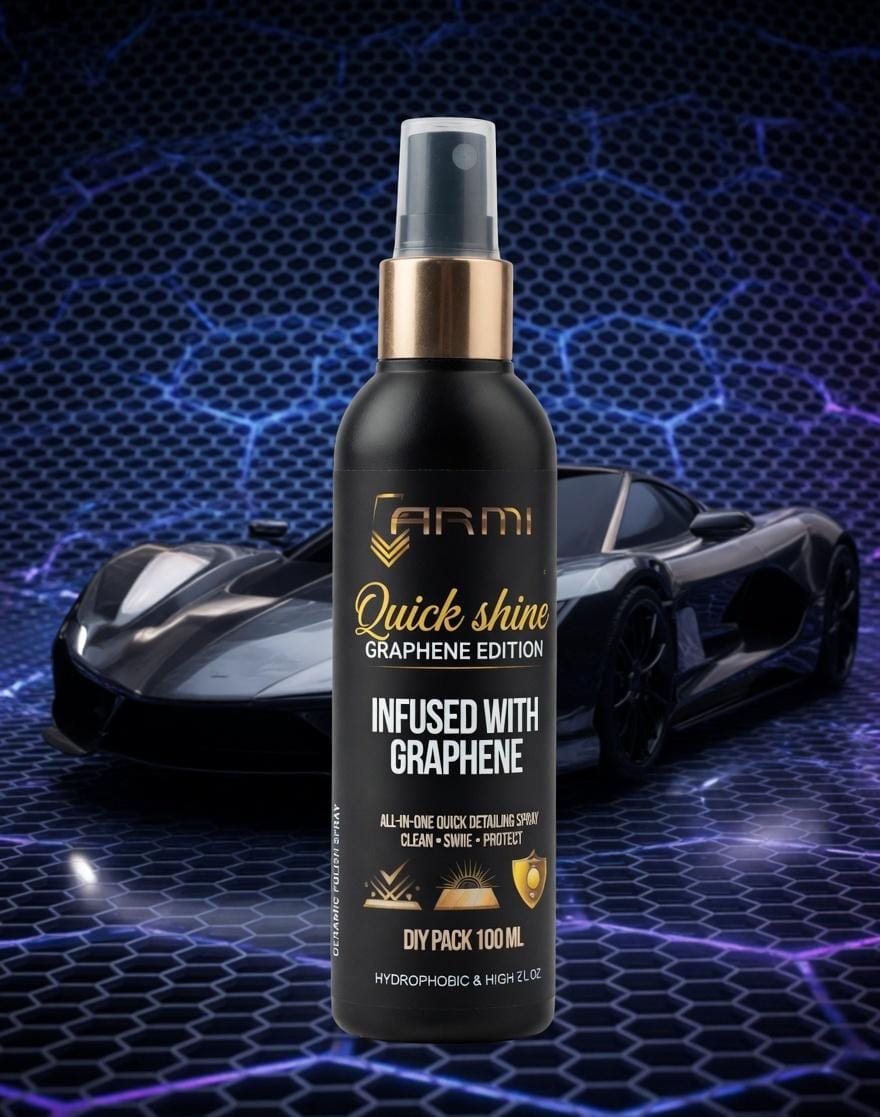
ARMI® Quick Shiner – Premium Ceramic Nanocoating Spray
A hybrid 3-in-1 protection spray powered by advanced Graphene–Ceramic–Silane Hybrid Nanotechnology. This formula cleans, protects, and glossifies surfaces while utilizing reactive silane bonding to deliver durable, long-term defense. It is safe for multi-surface applications including car paint, motorcycles, helmets, glass, plastics, and household fittings.
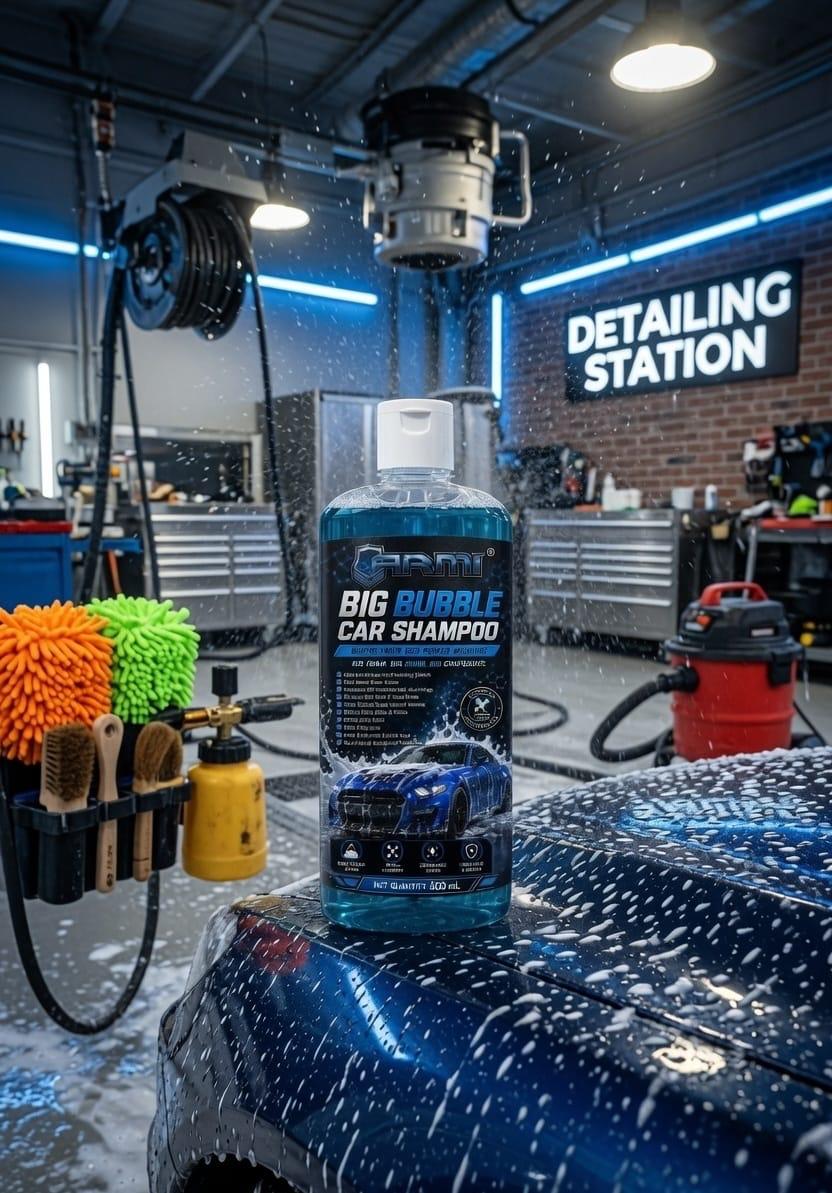
ARMI® Big Bubble Car Shampoo
An advanced, high-foam automotive cleaning solution engineered with an innovative Chitosan Nanoparticle Cleaning System and Eco-Friendly Biopolymer Technology. This pH-balanced, professional-grade shampoo creates a rich, lubricating cushion that safely lifts and encapsulates dirt, road grime, and grease while minimizing swirl marks.
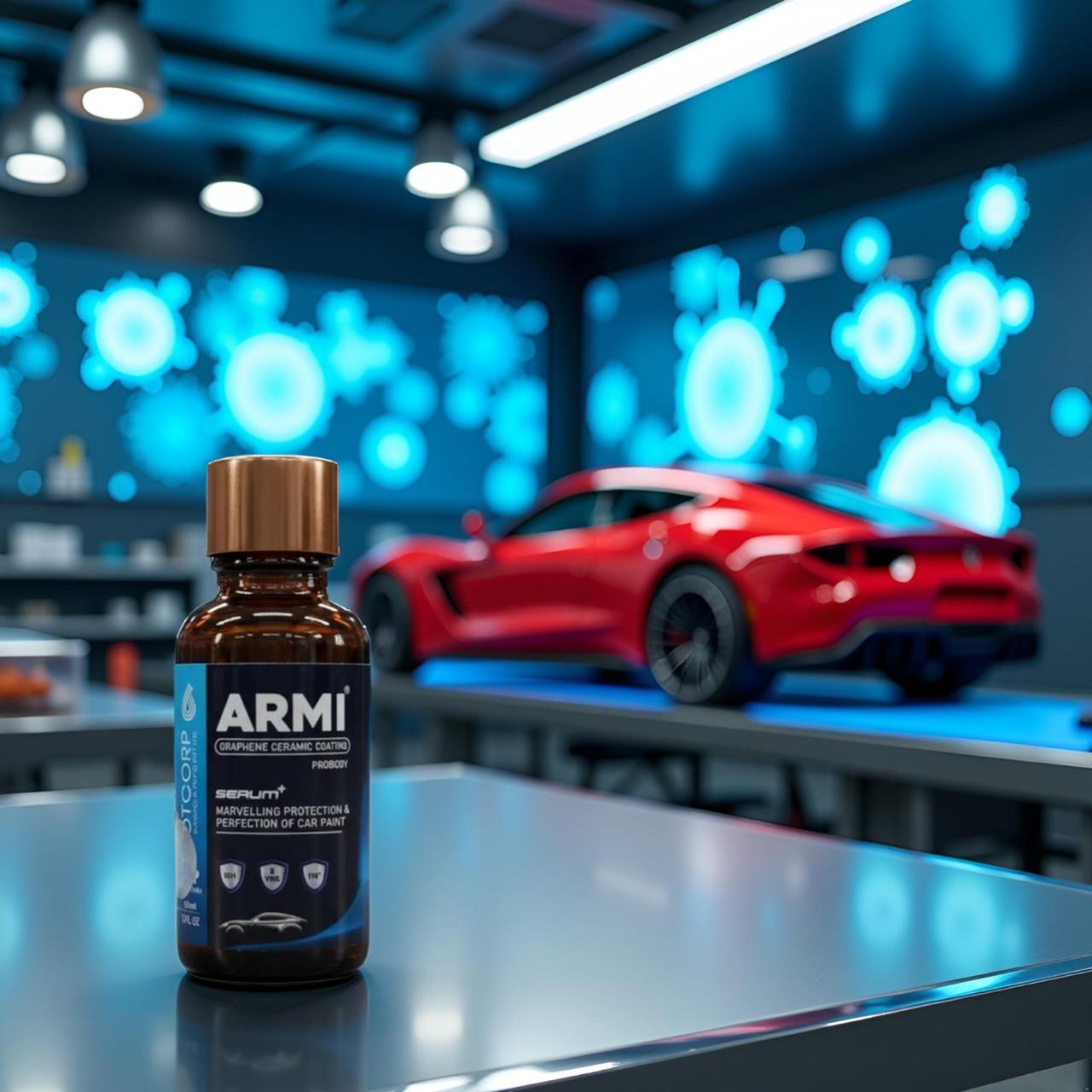
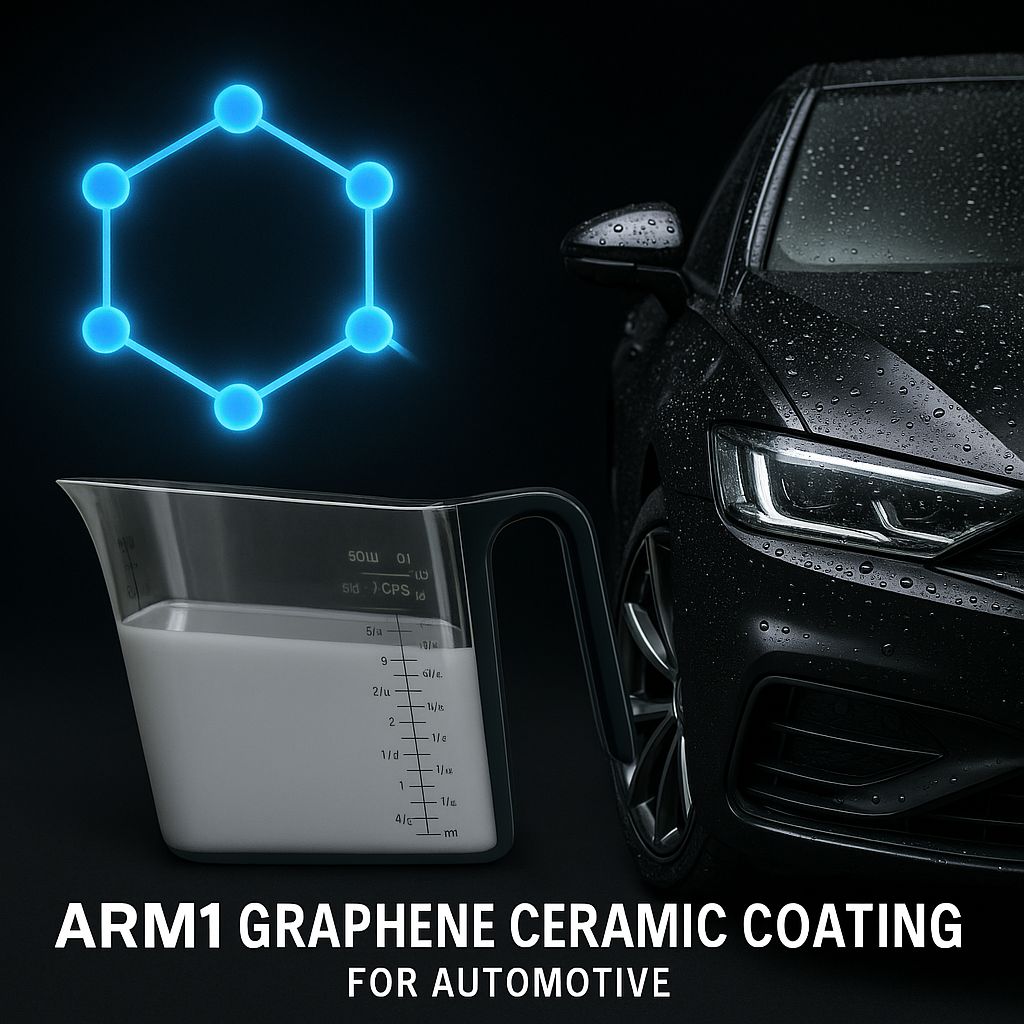
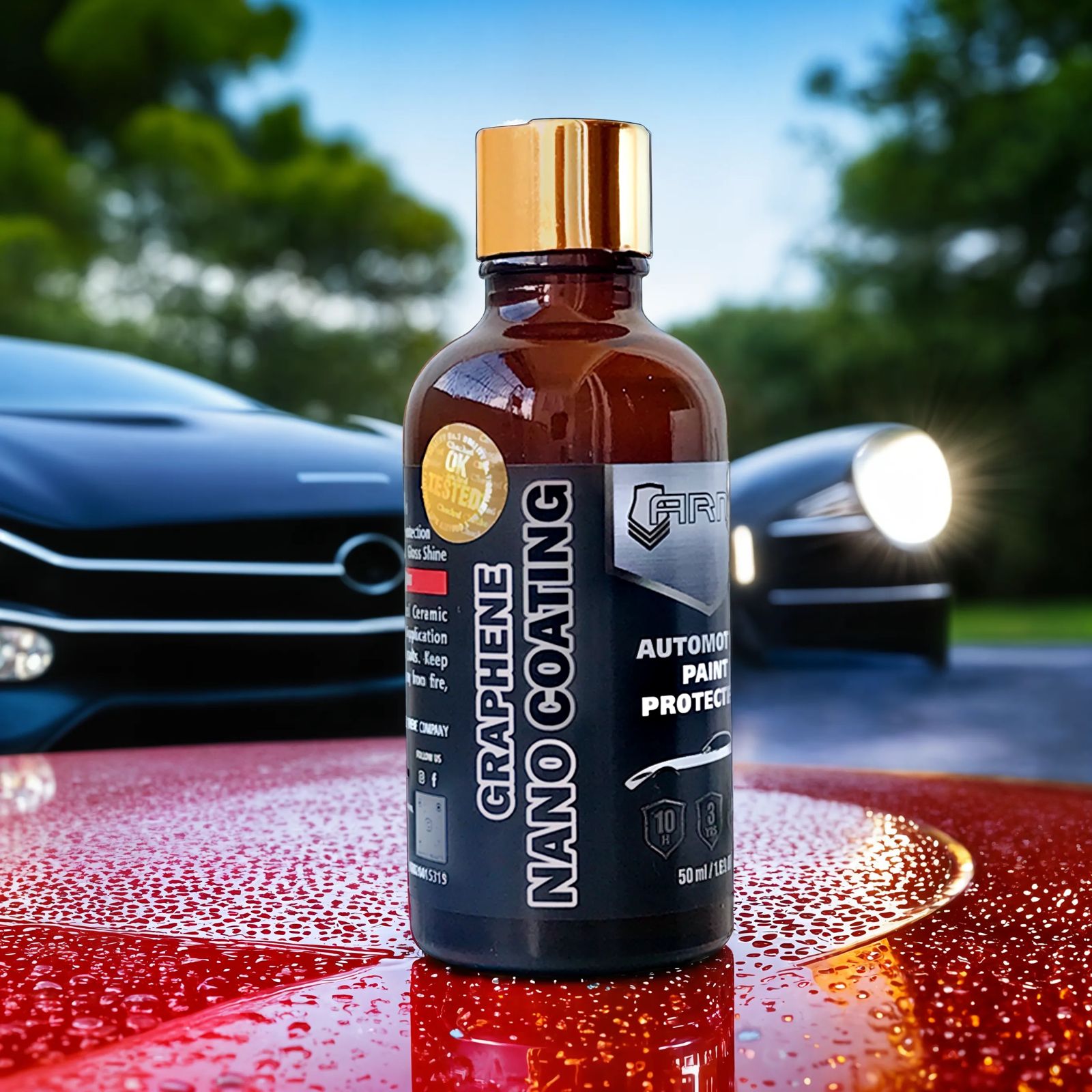
ARMI® Graphene Ceramic Nano Coating (DIY Kit)
Professional-grade DIY kits combining hybrid graphene and ceramic technology to form an ultra-tough 10H hardness protective shield. This kit provides lasting paint protection, an extreme mirror-like gloss, and advanced hydrophobic self-cleaning properties, ideal for enthusiasts wanting professional results at home.
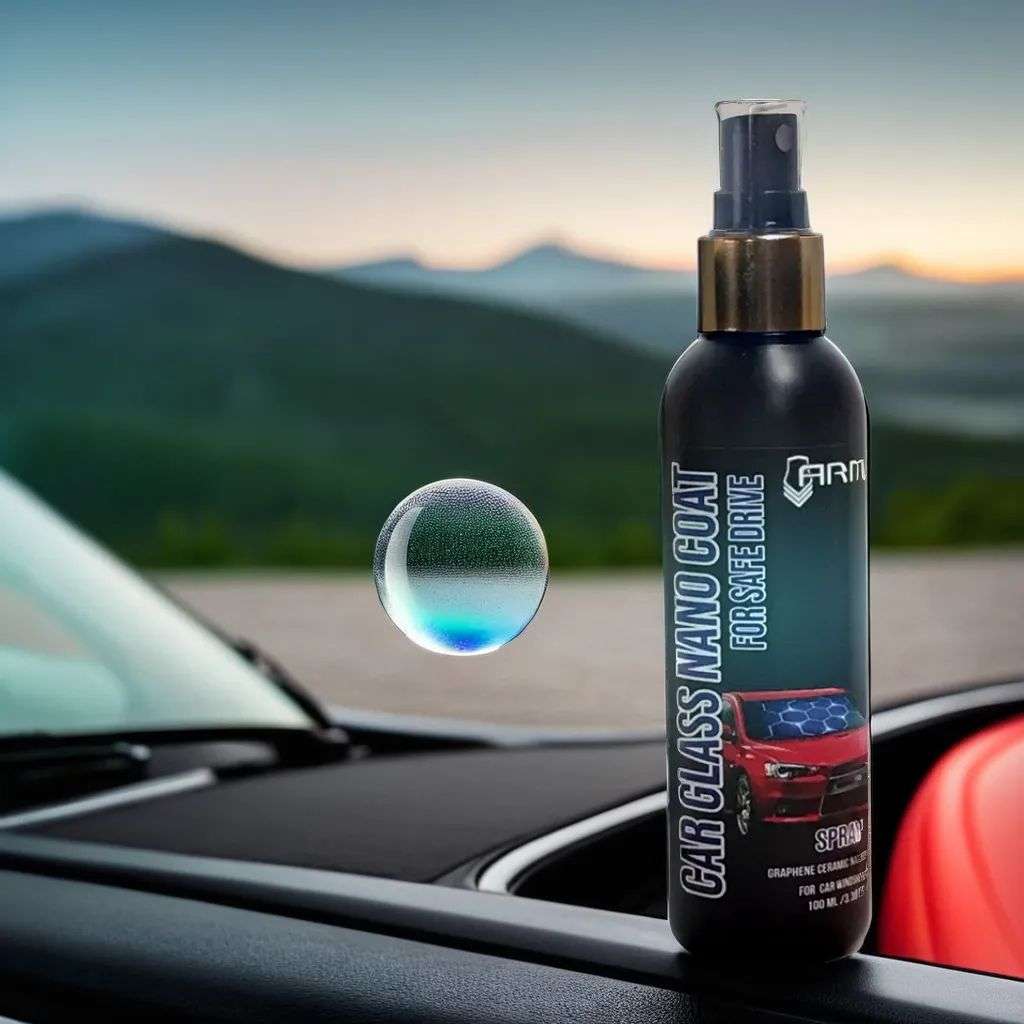
ARMI® Car Glass Nanocoating Spray
An advanced aqueous, non-flammable formula combining ceramic and graphene technology to optimize windshield clarity. Designed for safety, it provides superior hydrophobic water beading, night glare reduction, and anti-fog performance, ensuring maximum visibility even in extreme monsoon conditions.
Conclusion: Whether you are looking to elevate your vehicle’s protection with next-generation nanotechnology or seeking industrial-grade bulk supplies, partnering with BTcorp Generique Nano Pvt. Ltd. ensures world-class results. Our ARMI® product line translates complex molecular research into simple, high-performance automotive solutions, redefining the standard for surface care in India and beyond.
Why ARMI® Outperforms Conventional Coatings by 100x
10H Hardness
Heat Dissipation
Extreme Hydrophobic
Why ARMI® Formulations Outperform Conventional Market Alternatives by 100x
In a market saturated with generic blending houses, the ARMI® product ecosystem represents a scientific departure from the norm. By integrating proprietary graphene-ceramic hybrid technology, these formulations provide a protective barrier that is not merely a superficial wax or sealant, but a structural enhancement. Here is why ARMI® stands at the zenith of modern surface protection.
Graphene-Infused Flexibility & Elasticity
Traditional silica-based ceramic coatings often create a rigid, glass-like layer that is prone to micro-cracking during the rapid thermal expansion and contraction cycles typical of the Indian climate. In contrast, BTcorp’s graphene integration acts as a molecular “bridge,” adding immense tensile strength and structural elasticity to the film. This allows the protective coating to expand and move with the underlying metallic or painted substrate without compromising the matrix, ensuring that the protection remains intact long after conventional coatings would have failed.
Direct Manufacturer Economics & Scalability
Most automotive care brands operate as third-party marketers, relying on middle-man suppliers for their chemical components, which leads to inflated costs and inconsistent batch quality. Because BTcorp produces its raw nanocarbons at a true metric-ton scale, we have bypassed the traditional supply chain bottleneck. This vertical integration allows us to deliver world-class, laboratory-grade industrial performance at a price point that offers real-world affordability for both retail detailers and large-scale fleet operators.
Superior Thermal Dissipation Architecture
One of the most persistent problems in automotive paint protection is water-spot etching—a phenomenon where standing water beads act as microscopic magnifying glasses under intense solar radiation, “baking” mineral deposits into the clear coat. Standard coatings trap heat on the surface, exacerbating this issue. ARMI® formulations utilize the high thermal conductivity of graphene topologies to actively conduct and disperse thermal energy away from the surface. This rapid cooling effect prevents localized heat buildup, effectively eliminating the primary cause of permanent paint etching.
Conclusion & Next Steps
Whether you are an individual enthusiast looking to elevate your vehicle’s protection to the next level of nanotechnology, or a corporate partner seeking industrial-grade bulk supplies and custom nanoformulations from BTcorp Generique Nano Pvt. Ltd., partnering with an industry pioneer makes the difference between temporary shine and permanent, science-driven asset preservation. We are redefining the standard for surface care, proving that top-tier industrial performance can be accessible to all.
Frequently Asked Questions About Ceramic Coatings
What is the difference between ceramic coating and traditional wax?
Ceramic coating is a semi-permanent liquid polymer that chemically bonds with paint, whereas traditional wax sits on the surface and wears off quickly. Coatings provide superior hardness, UV protection, and longevity.
How long does a professional ceramic coating last on a vehicle?
Depending on the quality of the product and environmental conditions, a professional-grade ceramic coating can last anywhere from 1 to 3 years or longer with proper maintenance.
Can ceramic coating prevent scratches on car paint?
While coatings provide a 9H hardness layer that resists light swirl marks and micro-scratches, they are not completely scratch-proof against deep impacts or heavy abrasive damage.
What is the benefit of graphene-infused ceramic coatings?
Graphene additives increase the flexibility and tensile strength of the coating, preventing micro-cracking and offering superior thermal dissipation properties compared to standard silica coatings.
Are ceramic coatings suitable for the Indian climate?
Yes, advanced ceramic coatings are specifically engineered to withstand high temperatures, heavy monsoon humidity, and intense UV exposure, making them ideal for protecting vehicles in India.
How do I maintain a ceramic-coated car?
Maintenance involves regular pH-neutral car washes and avoiding automatic brushes. Periodic use of a ceramic-based quick detailer helps maintain hydrophobic properties.
Is it possible to apply a ceramic coating as a DIY project?
Many high-quality DIY ceramic kits are now available, provided the vehicle surface is correctly decontaminated and prepped according to the manufacturer’s instructions.
Does ceramic coating protect against water spots?
High-performance coatings with thermal dissipation properties reduce the baking effect of water beads under sunlight, significantly minimizing the risk of water spot etching.
What are the advantages of bulk sourcing ceramic coatings for detailers?
Bulk sourcing ensures consistent batch quality, lower operational costs, and higher profit margins compared to purchasing retail-sized consumer products.
Can I apply ceramic coating on plastic and glass surfaces?
Yes, many modern hybrid coatings are versatile and safe for application on painted surfaces, exterior plastic trims, chrome, wheels, and automotive glass.
Why is industrial-scale nanotechnology manufacturing important?
Metric-ton manufacturing ensures precise molecular consistency, better material purity, and the ability to innovate through advanced R&D compared to smaller blending houses.
How does UV protection in coatings work?
Advanced UV inhibitors integrated into the coating matrix reflect solar radiation, preventing the degradation, oxidation, and fading of factory clear coats.
Are ceramic coatings eco-friendly?
Many new formulations now use non-toxic, eco-friendly polymers and biopolymers, reducing the environmental footprint while providing superior surface protection.
What makes a ceramic coating professional-grade?
Professional-grade coatings feature high concentrations of active resins and nanomaterials, providing greater durability and stronger chemical bonding compared to entry-level consumer products.
How do I choose the best ceramic coating supplier in India?
Look for suppliers with internal R&D facilities, high-scale manufacturing capabilities, and transparent chemical documentation to ensure consistent product performance.