
Eco-Friendly Detergent Liquid in India: The Ultimate Business, Market & Manufacturing Guide for 2026
The Green Revolution in Indian Households
The Indian consumer landscape is undergoing a massive transformation. For decades, traditional powder detergents and harsh chemical-based dishwashing bars were staple cleaning agents in households across the country. However, rising environmental awareness, skin sensitivity concerns, and a collective shift toward sustainable living have revolutionized modern cleaning habits.
Enter eco-friendly detergent liquids and advanced dishwashing gels. These next-generation cleaning solutions are no longer niche products for elite consumers; they are becoming essential household items. Backed by advanced nanotechnology and green chemistry—such as the formulations developed by ARMI®—modern liquid detergents and gels offer superior cleaning efficacy without the ecological footprint of legacy products.
If you are a consumer looking to make a healthy switch, or an entrepreneur exploring the multi-crore green cleaning market, this comprehensive guide covers everything you need to know about manufacturing processes, raw materials, benefits, and market potential.
Why the Shift? Understanding the Market for Liquid Cleaners
The modern consumer and industrial landscape is undergoing a profound paradigm shift. For generations, traditional powder detergents and harsh chemical-based dishwashing bars served as the primary cleaning staples in households across the globe. These conventional products were accepted simply because they were the market standard of their time. However, as contemporary lifestyles evolve, urban consumers and environmentally conscious households are actively re-evaluating what they bring into their living spaces. This transition from conventional powders and solid bars to advanced liquid formulations is not merely a fleeting trend; it is a permanent structural evolution driven by stringent performance metrics, rising health awareness, and critical safety demands.
To understand why this shift is accelerating at an unprecedented pace, one must examine the fundamental limitations and hidden costs of legacy cleaning agents, contrasted against the sophisticated engineering of modern green alternatives developed by pioneers like BTcorp Generique Nano Pvt Ltd.
1. The Deep-Rooted Drawbacks of Traditional Powders and Bars
Traditional cleaning products, while effective at removing surface dirt through sheer chemical aggression, come with a heavy toll on personal health, household assets, and municipal utility systems. The primary drawbacks can be categorized across several distinct operational failures:
Fabric and Surface Degradation
- Harsh Bleaching Agents and Fillers: Traditional detergent powders frequently rely on aggressive bleaching compounds and cheap, insoluble mineral fillers. During a standard wash cycle, these heavy mineral fillers fail to dissolve entirely and get securely trapped deep within clothing weaves and fabric fibers.
- Rough Textures and Faded Colors: Over multiple wash cycles, the accumulation of insoluble fillers combined with harsh chemical bleaching strips away garment dyes and abrades delicate textile threads. This results in clothes losing their vibrancy, fading prematurely, and developing a coarse, scratchy texture that irritates the skin.
- Micro-Abrasions on Cookware: Similarly, abrasive dishwashing bars often contain harsh quartz or silica fillers meant to scrub away baked-on food. In reality, these abrasive agents create microscopic scratches on expensive non-stick pans, premium ceramic cookware, and delicate glassware, permanently ruining their finish and shortening their usable lifespan.
Chronic Residue Buildup
- The Chalky Film Dilemma: Powders and solid bars require precise thermal and mechanical conditions to dissolve completely. In everyday washing machine cycles—especially those using cold water—powders frequently leave behind a chalky, white residue on dark fabrics.
- Utensil Contamination: In manual dishwashing, solid bars leave a thin, soapy film of insoluble calcium salts (soap scum) on plates, bowls, and cutlery. When these utensils are subsequently used for meals, invisible chemical residues transfer directly into food, posing chronic low-level ingestion risks.
Severe Skin Irritation and Dermatological Concerns
- Stripping Natural Oils: Conventional dishwashing bars and high-alkalinity powders rely on aggressive, cheap surfactants (such as unrefined sodium dodecylbenzene sulfonate) and high pH levels. These chemical agents are designed to cut grease aggressively, but they cannot distinguish between food grease and the natural lipid barrier protecting human skin.
- Dermatitis and Chronic Dryness: Frequent manual dishwashing with harsh bars strips away the skin’s natural protective oils. This leads to chronic hand dryness, painful cuticle cracking, contact dermatitis, and long-term dermal sensitivity, disproportionately affecting homemakers and commercial kitchen staff.
Water Inefficiency and Environmental Strain
- Excessive Rinse Requirements: Traditional powders demand massive volumes of water to break down completely and to clear out trapped chemical suds from fabric loads.
- Municipal Water Waste: In regions facing acute water scarcity, the high water footprint required to rinse powdery residues contributes significantly to household and municipal water waste, exacerbating environmental degradation and straining local sewage treatment infrastructure.
2. The Rise and Market Dominance of Eco-Friendly Liquid Formulations
Recognizing these severe limitations, the chemical engineering sector has pivoted toward advanced liquid formulations. Next-generation green solutions—such as ARMI® Eco Laundry Gel and ARMI® Eco Dishwasher Gel, engineered through the material science expertise of BTcorp Generique Nano Pvt Ltd—have been meticulously designed to directly resolve every single pain point associated with legacy powders and bars.
Molecular-Level Precision and Instant Dissolution
Unlike powders that take time to dissolve and risk clumping, liquid formulations exist in a pre-dissolved, homogenous aqueous state. The moment a liquid detergent or gel enters water—whether in a bucket or a high-efficiency washing machine—its active molecules instantly disperse uniformly. This ensures immediate contact with stains and grease, eliminating localized residue accumulation entirely.
Advanced Technological Engineering: Low-Foaming and Water-Saving
A common consumer misconception is that massive amounts of foam equal superior cleaning power. In reality, excessive foam acts as a cushion that prevents mechanical friction between clothes, actually reducing cleaning efficiency while trapping dirt in suds.
- Modern eco-friendly liquid gels utilize advanced low-foaming surfactant matrices designed through specialized R&D.
- These formulations maximize surface tension reduction and soil suspension while producing controlled, minimal lather.
- Consequently, washing machines require significantly fewer rinse cycles, translating directly into massive water savings per wash load.
Deep Degreasing Coupled with Dermal Protection
Modern dishwashing gels leverage advanced plant-derived bio-surfactants and targeted enzymes that attack grease at a molecular level without requiring harsh alkalinity.
- By incorporating skin-neutral pH balances and natural moisturizing infusions (such as plant-based glycerin or soothing botanical extracts), these gels protect the user’s hands from dryness and irritation.
- Users can perform daily dishwashing tasks comfortably without experiencing the painful skin cracking historically associated with solid dish wash bars.
Holistic Fabric and Asset Preservation
Because eco-friendly liquid formulations are free from insoluble mineral fillers, harsh optical brighteners, and aggressive chlorines, they treat textiles and kitchenware with extreme care.
- Laundry liquids preserve original fabric hues, maintain clothing softness, and extend garment lifespans.
- Dishwasher gels clean thoroughly while preserving the pristine gloss of fine chinaware and preventing micro-scratches on expensive cookware.
Toward a Sustainable Future with BTcorp Generique Nano Pvt Ltd
Ultimately, the transition to eco-friendly liquid cleaners represents a harmonious alignment of high-performance cleaning and ecological responsibility. By combining green chemistry with cutting-edge manufacturing protocols at their advanced Bengaluru facility, BTcorp Generique Nano Pvt Ltd is empowering households to achieve uncompromising hygiene through ARMI® solutions, safeguarding family health, protecting domestic assets, and preserving precious natural resources for future generations.
Deep Dive into Manufacturing Processes
Manufacturing high-performance, eco-friendly liquid detergents and dishwashing gels requires precision chemistry, high-grade surfactants, and stable nano-additives. Below is the step-by-step industrial manufacturing process.
A. Manufacturing Process of Eco-Friendly Liquid Detergent
The production of premium laundry liquid involves a meticulous cold-mix or warm-mix compounding process designed to seamlessly blend active surfactants, targeted bio-enzymes, and water-softening agents. At advanced manufacturing facilities, such as those operated by BTcorp Generique Nano Pvt Ltd, this chemical engineering process is optimized to ensure maximum ecological safety, consistency, and superior garment care.
[Raw Material Staging & Water Treatment]
       ↓
[Primary Surfactant Blending] (Anionic & Non-ionic agents)
       ↓
[Enzyme & Nano-Additive Integration] (For stain removal & fiber protection)
       ↓
[Viscosity & pH Adjustment] (Adding thickeners and balancing agents)
       ↓
[Fragrance & Preservative Infusion]
       ↓
[Quality Control & Viscosity Testing]
       ↓
[Automated Bottling & Packaging]
1. Water Preparation and Treatment
The foundational base of any high-performance liquid detergent is demineralized (DM) or Reverse Osmosis (RO) water, typically constituting 70% to 80% of the entire batch volume. Raw tap or ground water contains dissolved minerals such as calcium and magnesium ions, which can react negatively with cleaning agents and form insoluble precipitates. Utilizing strictly treated water guarantees that these hardness minerals do not interfere with surfactant performance, allowing the active ingredients to function at peak efficiency.
2. Primary Surfactant Blending
Once the aqueous base is secured in industrial stainless-steel mixing reactors, primary surfactants are gradually introduced. These typically include Linear Alkyl Benzene Sulfonic Acid (LABSA) neutralized carefully with caustic soda, or safer, plant-derived alternative ethoxylates. These active compounds are slowly introduced into the mixing tank under controlled, high-shear agitation. Their primary molecular function is to lower surface tension, break molecular bonds holding dirt particles together, and effectively lift grease and embedded soil from textile weaves.
3. Co-surfactants and Foam Regulators
To ensure the finished laundry liquid is fully versatile and suitable for both top-load and front-load automatic washing machines, specialized co-surfactants and foam regulators are incorporated into the mixture. A common consumer misconception dictates that excessive lather equates to superior cleaning power. In modern machine washing, however, excessive foam cushions clothes and hinders mechanical cleaning friction. Controlled low-foaming agents are therefore integrated to manage suds volume, which directly saves substantial amounts of water during the crucial rinse cycle.
4. Enzyme and Nano-Additive Integration
The introduction of active biological components represents the pinnacle of modern green chemistry. Proteases, amylases, and cellulases are carefully added into the compound matrix at tightly controlled, lower temperatures to prevent thermal protein denaturation. These bio-enzymes target specific types of stains—such as proteins from food, starches, and stubborn oils—breaking them down into water-soluble fragments. Furthermore, advanced manufacturers like ARMI® integrate cutting-edge nano-scale surface protectors. These specialized nano-additives coat individual fabric fibers, creating an invisible shield that prevents future dirt and oil penetration.
5. Viscosity and pH Balancing
Achieving the right physical texture and chemical safety profile is vital for consumer usability and garment protection. Thickeners, such as sodium chloride or high-grade acrylic polymers, are systematically added to give the liquid detergent a rich, premium, free-flowing consistency. Simultaneously, the chemical environment is closely monitored to ensure the pH is balanced precisely between 7.5 and 8.5. This balanced pH window ensures that the liquid remains entirely non-corrosive, safe for delicate clothing fibers, and gentle on human skin during handling.
6. Fragrance, Color, and Preservatives
To complete the formulation, eco-friendly, hypoallergenic essential oils or specialized bio-fragrances are blended into the liquid matrix, leaving clothes with a long-lasting, pleasant scent without triggering allergies. Additionally, green, broad-spectrum preservatives are integrated to inhibit microbial and bacterial growth, guaranteeing a stable shelf life over months of storage and distribution.
7. Quality Control and Automated Packaging
Before any batch is cleared for market release, rigorous quality control protocols are executed. Technicians test the batch for exact viscosity levels, pH stability, foam behavior, and cleaning efficacy. Once approved, the liquid is transferred to automated filling lines where it is bottled securely into consumer-friendly packaging, ready to deliver sustainable cleaning performance to households globally.
B. Manufacturing Process of Eco-Friendly Dishwashing Gel
The industrial production of high-performance, eco-friendly dishwashing gel requires a specialized chemical formulation process that balances aggressive grease-cutting power with rigorous anti-bacterial hygiene and absolute skin safety. At advanced nanotechnology and chemical manufacturing facilities, such as those operated by BTcorp Generique Nano Pvt Ltd, this production lifecycle is meticulously controlled to ensure that every batch of ARMI® Eco Dishwasher Gel meets international standards for sustainability and consumer safety.
1. Aqueous Base Formulation
The manufacturing foundation of premium dishwashing gel begins with high-purity soft water. Similar to the preparation of laundry liquids, demineralized or reverse-osmosis-treated water is loaded into heavy-duty stainless steel reactors equipped with high-speed overhead stirrers. Using purified water is essential because it eliminates interfering trace minerals, ensuring that the active chemical compounds dissolve completely and achieve maximum ionic efficiency during the initial blending stage.
2. Degreasing Surfactant Matrix
Once the aqueous base is primed, the core cleaning engine of the gel is introduced. Primary degreasers—such as Sodium Laureth Sulfate (SLES) derived sustainably from certified palm or coconut oil—are combined with co-surfactants like Cocamidopropyl Betaine (CAPB). This precise surfactant synergy is engineered to create a rich, dense micro-foam that rapidly breaks surface tension, enabling the gel to penetrate and lift stubborn cooking oils, fats, and food residues instantly upon contact.
3. Chelating Agents and Citrus Extracts
To tackle difficult kitchen challenges such as burnt-on food particles, mineral scaling, and bacterial accumulation, advanced chelating agents and natural extracts are integrated into the mixture. Natural descalers and concentrated citrus bio-compounds (derived from lemon or lime extracts) work actively to dissolve food crusts while providing natural, chemical-free sanitization. This ensures that kitchenware emerges not only visibly spotless but also hygienically clean without relying on harsh synthetic disinfectants.
4. Skin-Safe Conditioning Agents
A major drawback of conventional dishwashing bars is their tendency to strip natural lipids from human skin, resulting in chronic dryness, irritation, and painful cracking. To counteract this, modern eco-friendly gel formulations developed by BTcorp Generique Nano Pvt Ltd integrate skin-safe conditioning agents. Plant-based glycerin and soothing botanical extracts (such as aloe vera) are infused directly into the gel matrix. This creates a protective dermal barrier that preserves skin moisture, ensuring that users can perform frequent daily dishwashing tasks comfortably and safely.
5. Thickening and Homogenization
The physical consistency of a dishwashing gel directly affects user experience and dosage control. To achieve the ideal texture, specialized polymeric thickeners are systematically added to the reactor. The batch undergoes continuous, controlled agitation until all active ingredients, surfactants, and conditioning agents are completely unified, resulting in a crystal-clear, uniform, and free-flowing gel with a rich, premium viscosity.
6. Quality Assurance and Automated Packaging
Before any finished production batch is approved for distribution, comprehensive quality control testing is executed. Technicians evaluate the gel for precise pH balance, optimal viscosity, long-term temperature stability, and grease-cutting efficacy. Once the batch successfully passes all laboratory benchmarks, the gel is transferred to automated bottling lines. Here, it is securely packaged into consumer-ready sizes—ranging from convenient 500ml squeeze bottles to heavy-duty 5L bulk containers—ready to deliver exceptional, sustainable cleaning power to households and commercial kitchens worldwide.
Key Benefits of Eco-Friendly Liquid Cleaners
Switching to advanced liquid formulations—such as the green chemistry solutions pioneered by BTcorp Generique Nano Pvt Ltd—offers profound, measurable advantages over conventional cleaning agents. Traditional powders and bars have long dominated households, but their hidden costs to health, domestic assets, and the environment have paved the way for next-generation alternatives like ARMI® Eco Laundry Gel and ARMI® Eco Dishwasher Gel.
Below is a detailed breakdown of why transitioning to eco-friendly liquid cleaners represents a vital upgrade for modern homes and commercial spaces.
1. Superior Performance & Efficiency
The fundamental physics of liquid cleaning agents gives them an immediate operational advantage over solid bars and granular powders.
- Deep Penetration: Liquids instantly disperse in water across both cold and warm temperature ranges, penetrating fabric weaves and utensil surfaces much faster than undissolved powders or sticky solid bars.
- Zero Residue Accumulation: Unlike conventional powders that frequently leave white streaks on dark garments or chalky films on glassware, liquid detergents and specialized dishwashing gels rinse off completely. This ensures absolute optical clarity, spotless dishware, and impeccably clean textiles.
2. Fabric and Utensil Longevity
Protecting household investments—from expensive apparel to premium kitchenware—is a primary design goal of modern green formulations.
- Elimination of Harsh Fillers: Eco-friendly formulations are entirely free from heavy, insoluble mineral fillers and aggressive chemical bleaching agents that weaken structural integrity over time.
- Color and Finish Protection: They protect clothing colors from premature fading and prevent microscopic scratch abrasions on expensive cookware, delicate non-stick pans, and fine glassware, thereby extending the active lifespan of household assets.
3. Skin Safety & Hypoallergenic Properties
Dermal health is a critical metric often ignored by mass-market chemical manufacturers, but advanced biological formulations prioritize human safety.
- Prevention of Dermatitis: Traditional cleaning agents often cause contact dermatitis, skin dryness, or allergic reactions due to harsh synthetic residues left behind on clothes or plates.
- Skin-Neutral Formulations: Eco-friendly gels utilize skin-neutral pH balances and natural conditioning agents, making them completely safe for sensitive skin, daily manual dishwashing, and baby clothes.
4. Eco-Conscious & Water-Saving Engineering
With water scarcity becoming a pressing global challenge, resource efficiency is built directly into advanced chemical engineering.
- Low-Foaming Technology: Low-foaming technologies—such as those featured in ARMI® cleaning lines—require significantly less water to rinse out during laundry cycles or dishwashing. This translates directly into massive water savings per household.
- Biodegradable Surfactants: Advanced bio-surfactants break down safely and rapidly in wastewater streams, ensuring that domestic cleaning activities do not disrupt aquatic ecosystems or burden municipal sewage treatments.
Comparative Analysis: Traditional Cleaners vs. ARMI® Eco Liquid Cleaners
To clearly understand the operational and safety upgrades offered by advanced liquid formulations, the following matrix compares legacy products directly with ARMI® green solutions:
| Performance & Safety Parameter | Traditional Powders & Bars | ARMI® Eco Liquid Cleaners (BTcorp Generique Nano) |
| Physical State & Dissolution | Granular or solid; slow dissolution, risk of clumping. | Pre-dissolved aqueous state; instant dispersion in water. |
| Residue & Clarity | Leaves chalky films on glass and white streaks on dark clothes. | 100% rinse-off clarity; zero residue buildup. |
| Fabric & Asset Care | Causes fabric fiber abrasion and micro-scratches on cookware. | Protects fabric colors, softness, and non-stick pan coatings. |
| Skin Impact | High alkalinity strips natural oils, causing dryness and cracking. | Skin-neutral pH with botanical conditioners for safe handling. |
| Water Consumption | Demands high rinse volumes due to excessive, stubborn lather. | Water-saving, low-foaming matrix optimizes rinse cycles. |
| Environmental Footprint | Contains persistent synthetic chemicals and insoluble fillers. | Biodegradable surfactants safe for aquatic ecosystems. |
Product Spotlight, B2B/D2C Applications, and Market Distribution
Modern chemical engineering and advanced nanotechnology pioneered by BTcorp Generique Nano Pvt Ltd allow high-performance green formulations to serve multiple market segments efficiently. Whether catering to individual households through direct channels or supplying industrial clients in bulk, the product lineup is engineered for maximum utility and sustainability:
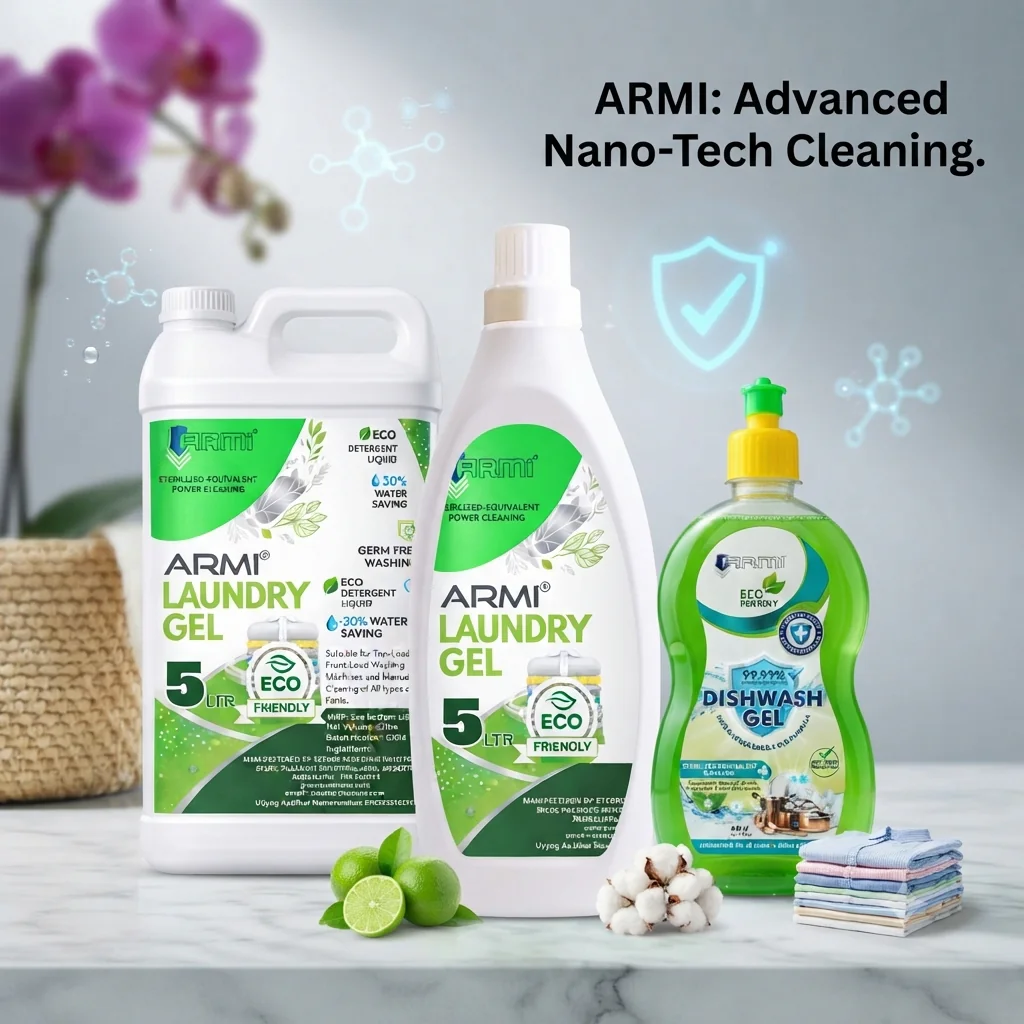
- ARMI® Eco Laundry Gel (1L & 5L Packs): Designed as a water-saver and low-foaming agent, it is ideal for automatic washing machines, ensuring deep stain removal while preserving fabric integrity.
- ARMI® Eco Dishwasher Gel (500ml & 5L Packs): Engineered for deep degreasing, it cuts through stubborn oil layers while maintaining a hygienic shine and keeping user hands safe and soft.
Strategic Market Reach: B2C, B2B, and Global Distribution
To maximize market penetration, BTcorp Generique Nano Pvt Ltd bridges multiple commercial vectors seamlessly, empowering both everyday consumers and large-scale industrial partners.
[BTcorp Manufacturing Facility (Bengaluru)]
         │
         ├──► B2C Direct-to-Consumer (Online Stores & E-commerce)
         ├──► B2B Bulk Commercial Supply (Hotels, Hospitals & Institutions)
         └──► Global Distributor Network (40+ Export Countries)
1. Direct-to-Consumer (D2C) Excellence
Through digital platforms and direct retail channels, individual households can easily access sustainable cleaning products like the 1L ARMI® Eco Laundry Gel or the 500ml ARMI® Eco Dishwasher Gel. D2C consumers benefit directly from skin-safe, hypoallergenic formulations that protect family health and preserve clothing longevity without harsh chemical exposure.
2. Business-to-Business (B2B) & Institutional Supply
Commercial establishments—such as corporate offices, hotels, restaurants, and hospitals—face heavy cleaning demands that require industrial-grade efficiency. BTcorp Generique Nano Pvt Ltd caters to this institutional B2B segment by supplying high-capacity bulk units, such as the 5L ARMI® Eco Dishwasher Gel and 5L laundry packs. These formulations ensure deep degreasing, rapid sanitization, and cost-effective commercial hygiene management.
3. Robust Distributor and Export Network
Backed by over 15 years of industry expertise, BTcorp Generique Nano Pvt Ltd supports an extensive network across 40+ countries. Every distributor partnership is supported by comprehensive technical assistance, stable and scalable monthly supply capabilities, and internationally certified quality standards. Entrepreneurs and regional partners looking to enter the booming green cleaning market find a reliable manufacturing backbone in ARMI®.
Conclusion
The market shift toward eco-friendly detergent liquids and dishwashing gels is permanent. Driven by consumer demand for sustainability, health safety, and superior cleaning performance, brands that leverage green chemistry and nanotechnology are leading the charge. Whether you are a business looking to source bulk formulations through our robust B2B and distributor channels, or a D2C household transitioning to sustainable cleaning, adopting advanced liquid solutions from BTcorp Generique Nano Pvt Ltd is a vital step toward a cleaner, greener future.
Exclusive Nano-Cleaning Range
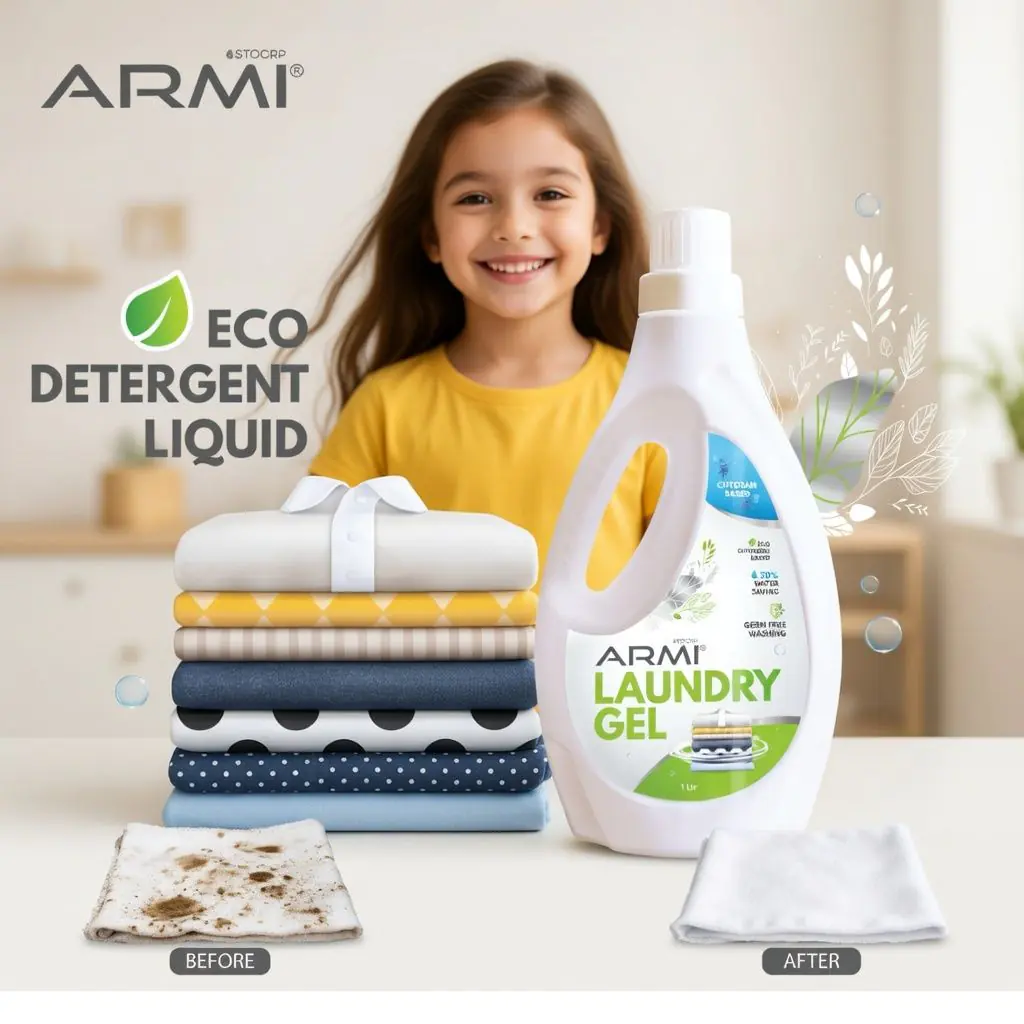
ARMI® Eco Laundry Gel – Water saver | Low Foaming | 1L
Advanced chitosan-based formula. Saves 30% water and preserves fabric color and strength.
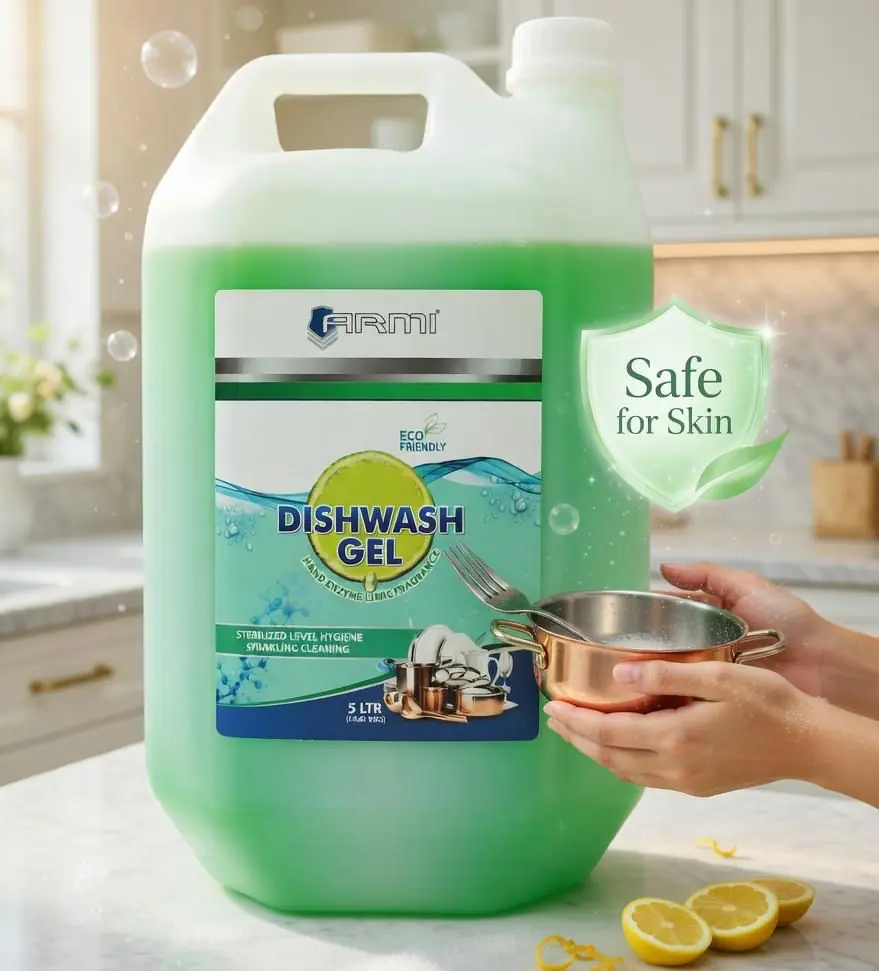
ARMI® Eco Dishwasher Gel – Deep Degreasing | 5 L
Professional-grade heavy-duty degreaser. Safe for steel, glass, and non-stick cookware.
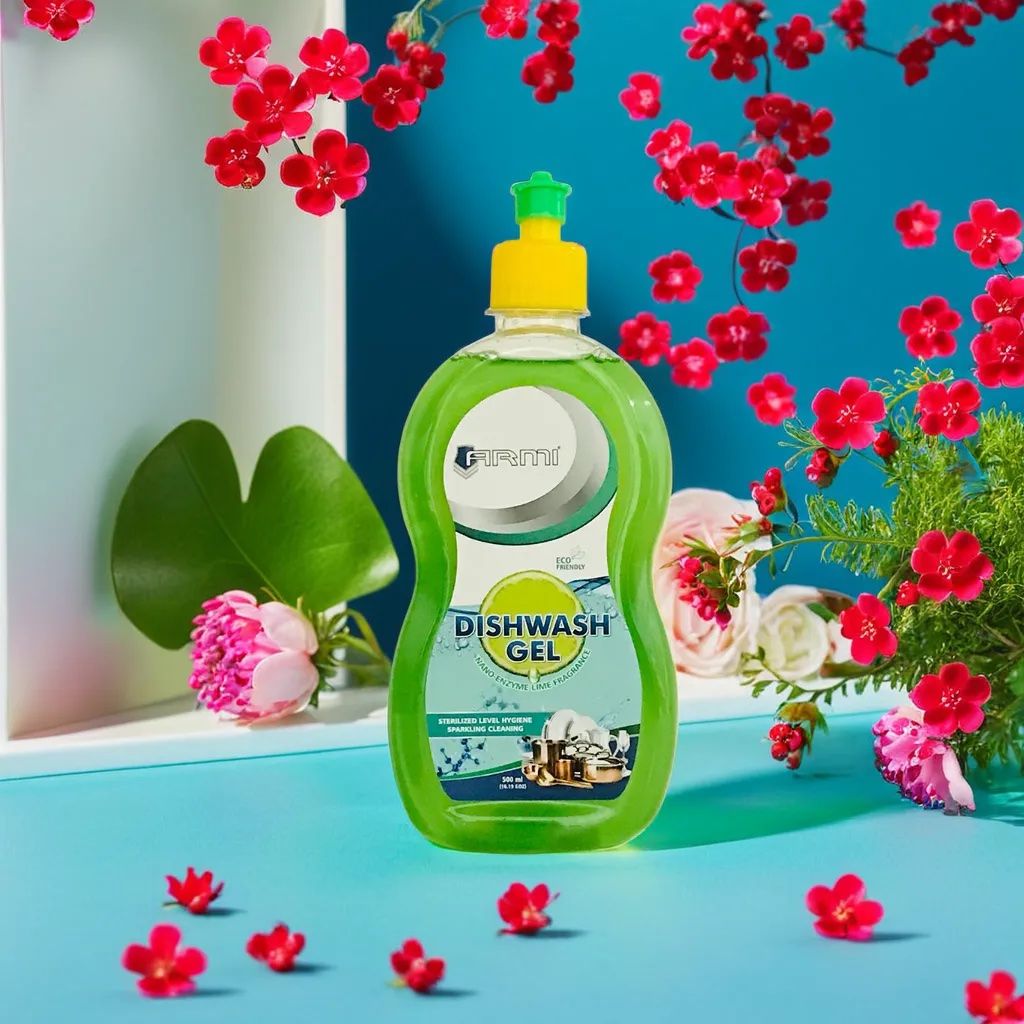
ARMI® Eco Dishwasher Gel – Germ-Free Shine | 500 ml
High-efficiency low-foam formula in a compact PET bottle. Streak-free food-safe shine.
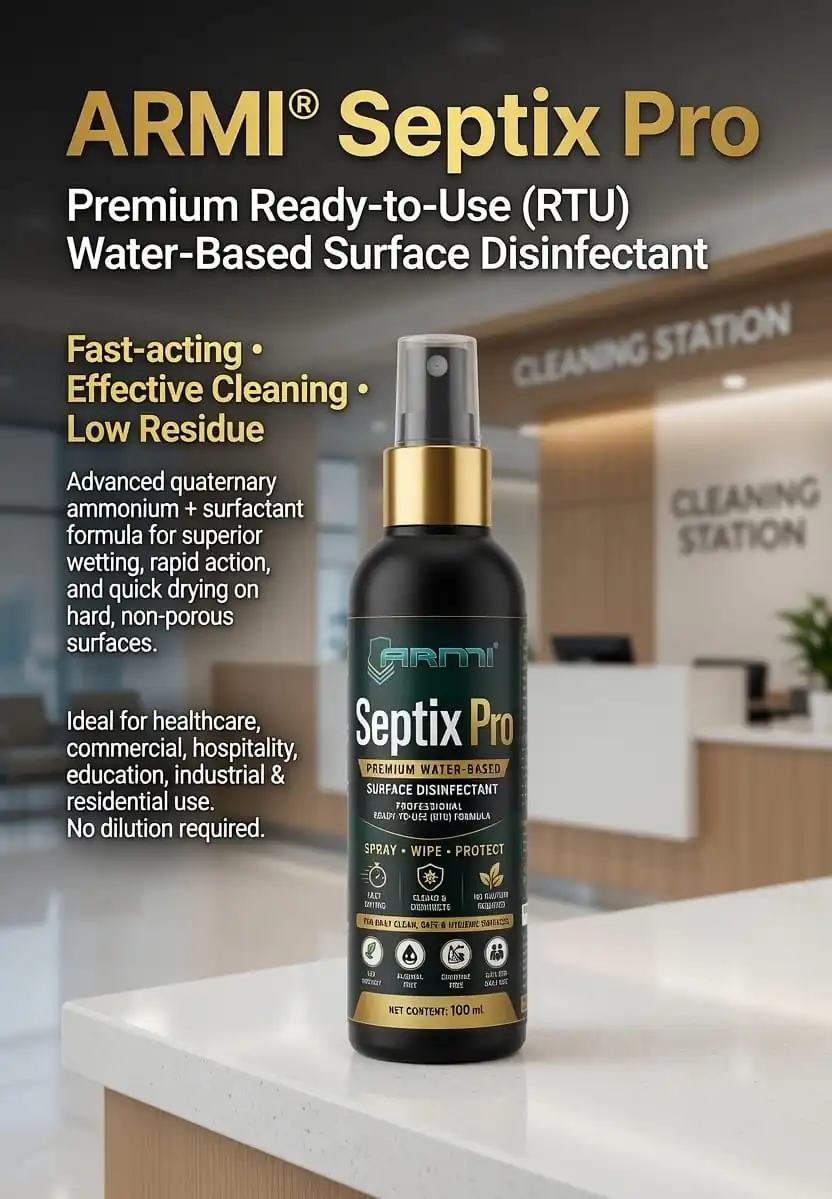
ARMI® Septix Pro – Daily Surface Disinfectant | 100 mL
Alcohol-free surface hygiene spray. Non-corrosive, fast-drying, and safe for all surfaces.
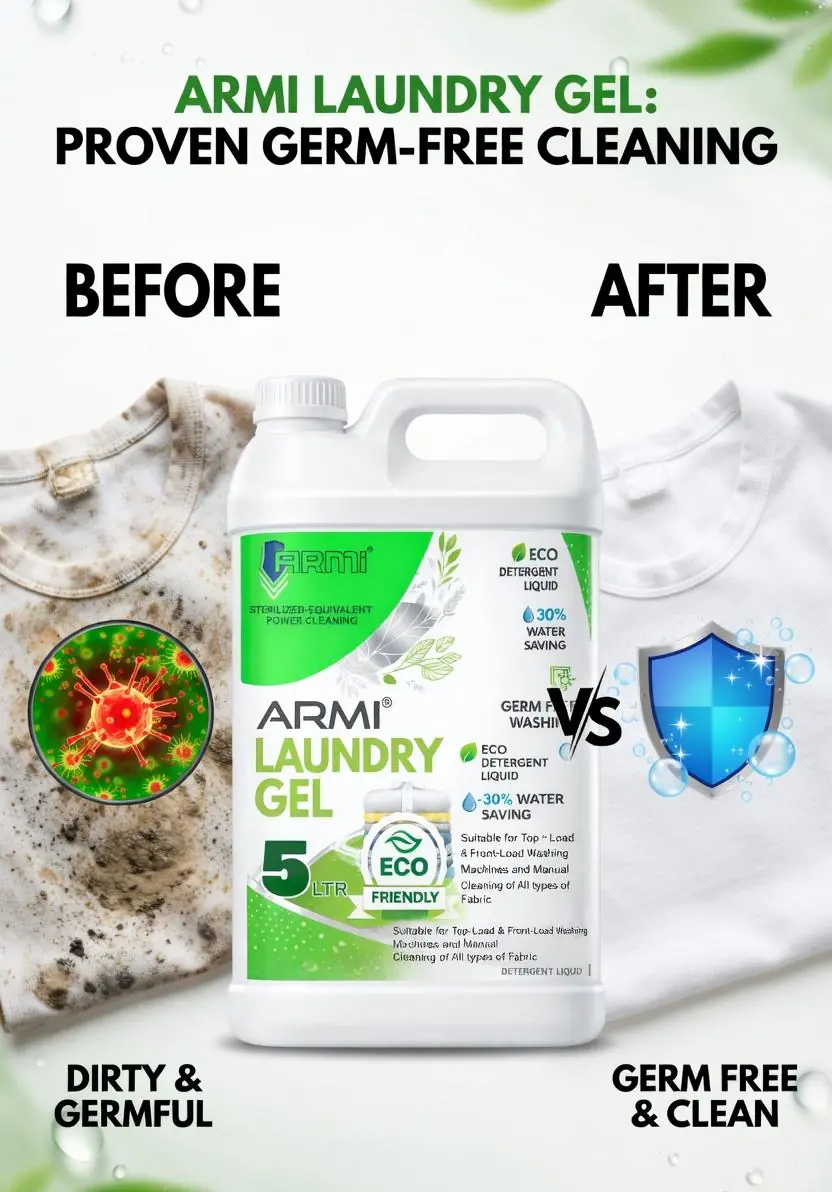
Powerful Eco Laundry Liquid – Deep Clean | 5L
Bulk industrial pack for hotels and homes. Nanotechnology for microbes and grime removal.
Skin-Friendly Nano Dishwash Gel
Advanced grease-cutting formula that is gentle on hands and the environment.
Shop on Amazon
Eco-Friendly Dishwash Liquid 500ml
High-concentration industrial grade cleaning for bulk buyers and businesses.
Order on IndiaMart