
Eco-Friendly Detergent Liquid in India: The Ultimate Business, Market & Manufacturing Guide for 2026
Introduction: The Green Revolution in Indian Households
The Indian FMCG (Fast-Moving Consumer Goods) landscape is undergoing a massive, silent revolution. For decades, traditional synthetic powders laden with harsh phosphates, optical brighteners, and petroleum-based surfactants dominated Indian households. Today, urban and semi-urban consumers are waking up to an uncomfortable reality: the heavy chemical runoff from their daily laundry is choking local water bodies, polluting soil, and triggering chronic skin allergies across vulnerable age groups.
Why Urban Consumers are Rapidly Switching to Plant-Based Laundry Solutions
Enter eco-friendly detergent liquid in India—a booming market sector driven by rising ecological awareness, aggressive adoption of automatic washing machines in tier-1 and tier-2 cities, and a collective psychological desire for non-toxic, sustainable living. Modern households are no longer willing to compromise family health or environmental integrity just for cleaning efficiency.
Seizing the Opportunity: What This Comprehensive Guide Covers
If you are an ambitious entrepreneur, contract manufacturer, or regional distributor looking to tap into this lucrative green niche, this comprehensive guide will walk you through intricate market dynamics, eco-friendly formulation science, mandatory regulatory compliance, modern packaging innovations, sustainable branding, and long-term scaling strategies designed to position your venture for exponential growth in the Indian economy.
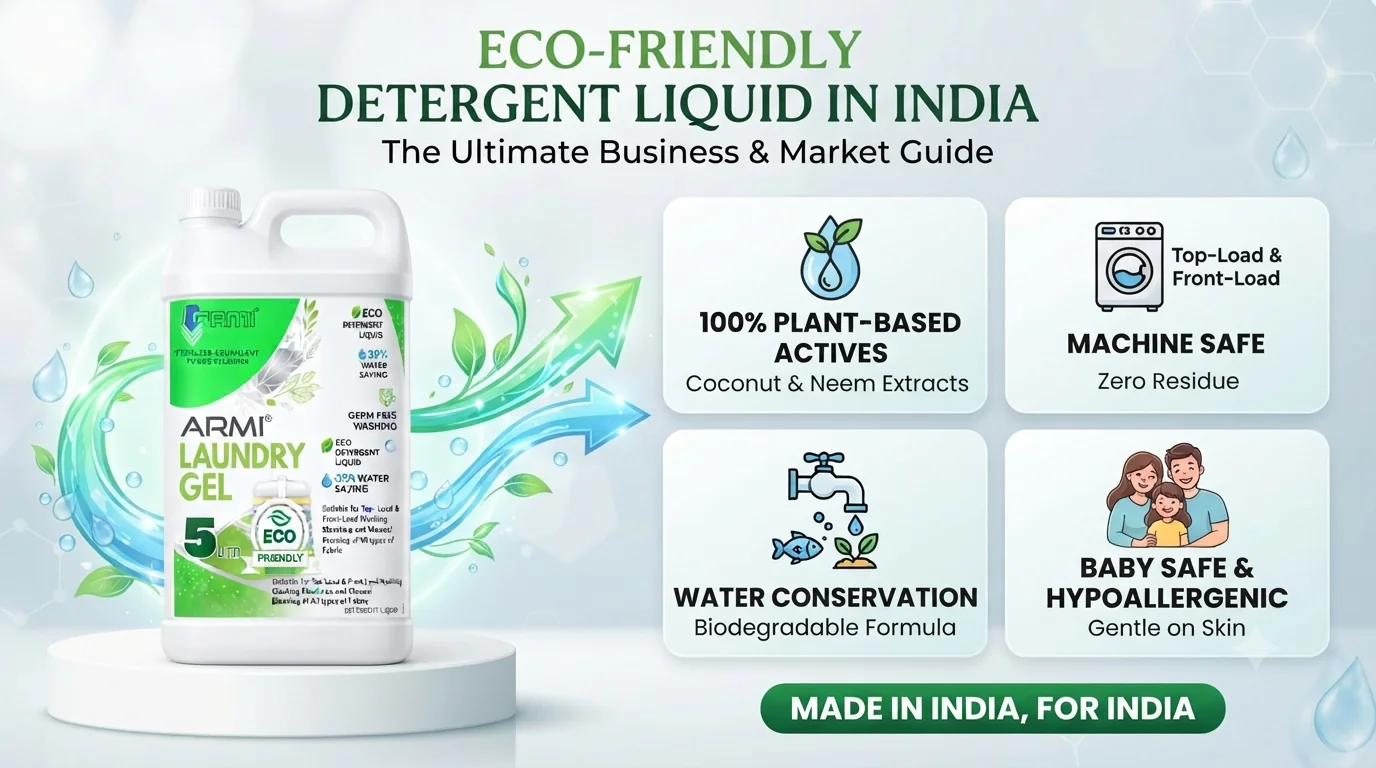
Figure 1.1: The rise of plant-based liquid detergents transforming the modern Indian green cleaning industry.
💡 Key Takeaway for 2026 Entrepreneurs
Transitioning from toxic chemical powders to plant-based liquid detergents is not just a passing environmental trend—it is a high-margin, future-proof business opportunity capturing premium urban demographics across India.
1. Market Overview: Why Eco-Friendly Liquid Detergents are Over-Taking Powders in India
To build a highly profitable green detergent business in the subcontinent, you must first understand the deep macro-economic shifts, changing urban lifestyles, and ecological awakenings reshaping the cleaning products industry. For decades, traditional detergent powders dominated kirana stores due to low price points. Today, however, the narrative has flipped entirely as millions of households demand safer, higher-performance alternatives.
Projected CAGR
Annual growth rate of the Indian green liquid laundry detergent market sector.
Urban Switch Rate
Tier-1 and Tier-2 households actively preferring liquid over synthetic powders.
Superior Performance
Complete solubility in hard water, preventing chalky deposits on dark clothes.
The Paradigm Shift from Powder to Liquid Detergents in India
Historically, low-cost detergent powders ruled the Indian market due to pricing pressures and traditional hand-washing habits. However, consumer preferences have shifted dramatically in recent years owing to rapid urbanization, nuclear family structures, and the widespread proliferation of automatic washing machines.
1. Advanced Machine Compatibility in Modern Households
With top-load and front-load washing machines becoming standard appliances in middle-class and upper-middle-class Indian households, liquid detergents have emerged as the default choice. Unlike heavy powders that often fail to dissolve completely in cold or hard water cycles—leaving an unsightly chalky residue on dark garments and clogging detergent trays—eco-friendly liquid detergent in India dissolves instantly. This ensures deep fiber penetration and protects washing machine internal components from scale buildup.
2. Superior Fabric Care and Bio-Enzymatic Stain Removal
Traditional powders rely on harsh bleaching agents and synthetic surfactants that strip garments of their natural color, weaken threads, and cause premature fabric wear over multiple wash cycles. Eco-friendly liquid formulations harness advanced plant-based bio-enzymes that specifically target organic stains—such as stubborn oil, sweat, turmeric, and Indian culinary curry—without degrading delicate fabric integrity, keeping clothes vibrant and soft for years.
📊 Comparative Analysis: Traditional Powders vs. Eco-Friendly Liquid Detergents
| Parameter | Traditional Synthetic Powders | Eco-Friendly Liquid Detergent |
|---|---|---|
| Solubility in Water | Poor (Leaves chalky residue) | 100% Instant Dissolution |
| Skin & Health Impact | Can cause contact dermatitis & rashes | Hypoallergenic & Dermatologically Tested |
| Environmental Footprint | High phosphate runoff, pollutes soil | Biodegradable, Zero Algal Bloom Risk |
| Washing Machine Safety | Causes scaling & pipe blockages | Safe for Front & Top Load Machines |
Key Market Statistics & Consumer Growth Drivers in India
The Indian liquid detergent sector is expanding at a robust compound annual growth rate (CAGR), with eco-friendly plant-based variants capturing a disproportionate share of high-spending urban and tier-2 consumers. Several powerful catalysts are fueling this exponential growth trajectory:
1. Rising Urban Health Consciousness and Sensitive Skin Care
Modern Indian parents are increasingly conscious of invisible chemical residues left on baby clothes and daily wear by petroleum-based detergents. This awareness has triggered a mass migration toward plant-based, hypoallergenic liquid detergents that protect infants and family members from chronic skin allergies, eczema, and contact dermatitis.
2. Corporate & Commercial Green Cleaning Mandates
Beyond residential households, commercial institutions—including luxury hotels, multi-specialty hospitals, corporate headquarters, and residential housing societies—are aggressively transitioning to green cleaning protocols. Adopting eco-friendly liquid detergents allows these institutions to meet strict environmental compliance frameworks, lower their carbon footprints, and secure prestigious green building certifications.
3. E-Commerce & Direct-to-Consumer (D2C) Retail Revolution
The explosion of direct-to-consumer (D2C) e-commerce platforms, quick-commerce grocery delivery apps (such as Blinkit, Instamart, and Zepto), and specialized organic marketplaces has completely democratized market access. Niche green brands can now bypass traditional multi-tiered distribution gatekeepers, connect directly with conscious buyers in metropolitan hubs, and build high-retention subscriber communities.
💡 Strategic Insight for Brand Founders
Capitalizing on the shift from powder to eco-friendly liquid detergent requires positioning your brand not merely as a cleaning agent, but as an essential lifestyle upgrade for health-conscious, environmentally responsible Indian families.
2. Core Chemistry: What Makes an Eco-Friendly Detergent Liquid in India Truly Safe?
In the rapidly expanding Indian green FMCG market, many emerging brands unfortunately engage in “greenwashing”—dressing up their packaging in earthy green tones while concealing toxic petrochemical derivatives inside. To build a genuinely sustainable, high-retention consumer brand that earns trust and regulatory clearance, your formulation science must adhere to strict, transparent ecological benchmarks. Understanding the core chemistry of plant-based cleaning is the foundational step for any entrepreneur or contract manufacturer.
Key Ingredients to Include: Plant-Based Powerhouses in Modern Detergent Formulation
Formulating a high-performance liquid detergent using natural ingredients requires replacing harsh synthetic chemicals with renewable, bio-based alternatives that deliver equal or superior detergency without compromising consumer safety or environmental health.
1. Plant-Derived Surfactants
Traditional powders rely on linear alkylbenzene sulfonates (LABS). Certified eco-friendly liquids utilize coconut or palm-kernel derivatives like Coco-Glucoside to lower surface tension, lifting stubborn grease safely without stripping fabric fibers or harming aquatic life.
2. Natural Bio-Enzymes
Indian households present tough laundry challenges: oil stains, turmeric curry marks, and sweat. Instead of aggressive bleaches, green formulas incorporate targeted Protease, Amylase, and Cellulase enzymes to break down stains at room temperature.
3. Biodegradable Chelating Agents
Hard water in Indian cities contains calcium and magnesium ions. While conventional powders use damaging phosphates, eco-friendly liquids deploy biodegradable Sodium Citrate or plant-based chelators to soften water safely.
4. Pure Essential Oils
Synthetic perfumes contain hidden phthalates and endocrine disruptors causing contact dermatitis. Premium green detergents replace artificial scents with steam-distilled Lavender, Lemongrass, or Eucalyptus essential oils.
🧪 Infographic Breakdown: Petrochemical vs. Plant-Based Chemistry
| Functional Component | Toxic Petrochemical Standard | Certified Eco-Friendly Standard |
|---|---|---|
| Primary Surfactant | LABS / Synthetic Sulfonates | Coco-Glucoside / Plant Lipids |
| Water Softener | Inorganic Phosphates (Algal hazard) | Sodium Citrate (Biodegradable) |
| Stain Catalyst | Chlorine Bleach & Optical Dyes | Bio-Enzymes (Protease & Amylase) |
| Fragrance Profile | Synthetic Phthalate Perfumes | Pure Botanical Essential Oils |
Toxic Chemicals to Strictly Avoid on Your Ingredient Label
If your brand formulation contains any of the following restricted or hazardous chemical compounds, your product fails to qualify as genuinely eco-friendly under stringent green labeling criteria:
⚠️ 1. Phosphates and Synthetic Surfactant Runoffs
Phosphates act as artificial fertilizers when discharged into wastewater drains, causing rampant aquatic weed growth, severe eutrophication, and depletion of dissolved oxygen in water bodies.
⚠️ 2. SLES Contaminated with 1,4-Dioxane & Optical Brighteners
Cheap industrial foaming agents often contain 1,4-Dioxane residues, a recognized human carcinogen. Similarly, optical brighteners coat clothing to create false whiteness by reflecting UV light, depositing persistent chemical films against sensitive human skin.
🛡️ Founder Formulation Warning
Radical ingredient transparency is your greatest asset. Publishing full disclosure lists on your back-label builds instant consumer trust and successfully differentiates your eco-friendly brand from misleading legacy manufacturers in the Indian market.
3. Setting Up Your Eco-Friendly Detergent Manufacturing Unit in India
Transitioning from a conceptual green brand to an industrial-scale producer of eco-friendly detergent liquid in India requires meticulous infrastructure planning, robust capital allocation, strict adherence to state industrial norms, and standardized standard operating procedures (SOPs). Whether you are setting up an in-house manufacturing plant or collaborating with certified third-party contract manufacturers, mastering the technical production ecosystem is non-negotiable for long-term market success and quality retention.
Step-by-Step Industrial Manufacturing Workflow for Plant-Based Liquids
To ensure high batch stability, precise viscosity, and uncompromised cleaning efficacy, your production line must follow a rigorous 5-step industrial workflow designed specifically for botanical detergent formulations.
1. Raw Material Sourcing
Establish long-term supply contracts with certified bulk vendors providing plant-derived surfactants, organic thickeners like xanthan gum, and natural preservatives. Ensuring unadulterated botanical raw materials is vital for organic product claims.
2. Advanced Water Treatment
Liquid detergents demand demineralized (DM) water. Hard tap water containing calcium and magnesium ions interacts poorly with plant surfactants, ruining viscosity and shelf life. Install a robust Reverse Osmosis (RO) and Deionization setup.
3. Precision Blending & Mixing
Utilize high-grade stainless steel (SS 304 or SS 316) industrial mixing tanks fitted with variable-speed motors. This ensures uniform homogenization of botanical active ingredients, enzymes, and water without generating excessive foam.
4. In-House Quality Control Lab
Test every production batch for precise pH levels (ideal range: 7.0 to 8.5), kinematic viscosity, foam persistence, and microbial resistance to guarantee safety and long shelf-stability on retail shelves.
🏭 5. Automated Filling, Capping & Tamper-Proof Packaging
Scale production efficiency by integrating automated volumetric liquid dispensing nozzles, pneumatic capping stations, and induction sealing machinery. Proper hermetic sealing prevents leakage during transit across India’s diverse e-commerce and retail supply chains.
📊 Plant Infrastructure & Technical Specifications Matrix
| Production Parameter | Recommended Industrial Standard | Operational Impact |
|---|---|---|
| Mixing Tank Material | SS 304 or SS 316 Grade Steel | Zero corrosion, safe for botanical acids & enzymes |
| Water Quality Input | Demineralized (DM) Water via RO | Prevents surfactant degradation & microbial growth |
| Target pH Range | 7.0 to 8.5 (Neutral to Mild Alkaline) | Protects fabric fibers while maintaining active detergency |
| Filling Line Speed | 1,500 to 3,000 bottles per shift | Meets high-demand regional retail and D2C fulfillment targets |
4. Packaging Innovation: Minimizing Plastic Footprint
Eco-conscious consumers pay close attention to how your product is packaged. Relying on single-use virgin plastic will alienate your core demographic. Modern sustainable manufacturing requires a closed-loop or minimized packaging strategy:
Post-Consumer Recycled (PCR)
Use bottles made from 100% recycled PET or HDPE plastics to give discarded waste a second life and curb virgin petroleum consumption.
Refill Pouches
Offer lightweight, minimalist refill pouches that use up to 70% less plastic than rigid bottles, encouraging consumers to reuse their “forever bottles”.
Bulk Commercial Packaging
Provide 5-liter and 20-liter recyclable carboys for societies, laundromats, and commercial facility management clients to dramatically lower packaging waste.
⚙️ Manufacturing Founder Tip
Investing in robust inline QC testing and high-grade stainless steel mixing equipment during your initial setup phase prevents costly batch recalls and establishes undisputed product reliability from day one.
5. Regulatory Compliance, Licensing & Certifications in India
To build bulletproof market trust, uncompromised retail credibility, and seamless entry into organized supermarket chains and D2C e-commerce channels (such as Amazon, Flipkart, Blinkit, and Zepto), your eco-friendly detergent liquid brand must navigate the complex labyrinth of Indian manufacturing laws. Operating without adequate statutory approvals exposes your startup to heavy financial penalties, shipment seizures, and devastating brand trust erosion. Achieving total regulatory compliance is not merely a legal checkbox; it is your ultimate competitive moat against unorganized local players.
📊 Compliance ROI & Market Penetration Engine
Drag the interactive slider below to simulate how legal licensing, SPCB approvals, and green eco-certifications scale your brand’s retail value and consumer trust index.
Mandatory Legal Registrations for Chemical & FMCG Startups
Before your first batch of liquid detergent leaves the blending vat, your corporate entity must secure foundational government approvals. These documents protect your intellectual property and grant access to institutional credit and tax credits:
MSME / Udyam Registration
Essential for accessing government schemes, subsidies, and priority sector lending. Unlocks lower interest rates on industrial loans and government-backed credit guarantee schemes.
GST Registration
Mandatory for interstate commerce, B2B invoicing, claiming Input Tax Credit (ITC) on raw chemical purchases, and listing your inventory on e-commerce marketplaces like Amazon, Flipkart, and Blinkit.
Trademark Registration
Protect your brand name, logo, and unique packaging design under the Indian Trademark Act, granting legal remedies against counterfeit copycats in local markets.
State Pollution Control Board (SPCB) Consent
Operating a chemical blending or formulation unit requires “Consent to Establish” (CTE) and “Consent to Operate” (CTO) certificates under environmental laws.
BIS Standards (IS 14898)
Ensure your formulation aligns with Bureau of Indian Standards guidelines for synthetic liquid laundry detergents (IS 14898 or equivalent standards where applicable) to confirm safety and performance quality.
📋 Master Compliance Matrix: Licenses, Issuing Authorities & Business Impact
| License / Certification | Issuing Authority | Compliance Timeline | Strategic Commercial Value |
|---|---|---|---|
| MSME / Udyam | Ministry of MSME, Govt. of India | Instant (1-2 Days) | Subsidized loans & government procurement eligibility |
| GST Registration | Central Board of Indirect Taxes (CBIC) | 3 to 7 Working Days | Enables B2B invoicing, e-commerce & tax input credit |
| SPCB (CTE / CTO) | State Pollution Control Board | 30 to 60 Days | Legal authorization to operate blending plant machinery |
| BIS Standard (IS 14898) | Bureau of Indian Standards | 45 to 90 Days | Proves product safety & standard liquid quality |
| GreenPro / Ecocert | CII / Ecocert International | 60 to 90 Days | Validates authentic plant-based green brand claims |
High-Value Eco-Certifications to Pursue for Premium D2C Positioning
Gaining third-party validation sets your brand apart from cheap local formulations, justifying premium pricing and earning the loyalty of conscious consumers:
🌿 GreenPro Certification (Confederation of Indian Industry – CII)
Validates products as green, eco-friendly, and sustainable across their lifecycle—from raw material extraction to ultimate disposal safety.
🌱 Ecocert / USDA Organic Validation
Proves the organic integrity of plant-derived ingredients, assuring consumers that botanical surfactants and essential oils are sustainably cultivated.
🐰 PETA Cruelty-Free & Vegan Stamp
Essential for capturing modern ethical consumer segments, guaranteeing zero animal testing and 100% vegan formulations.
♻️ EPR (Extended Producer Responsibility) Certification
Demonstrates that your company actively recycles an equivalent amount of plastic waste generated by your packaging under Indian waste management rules.
⚖️ Founder Legal Compliance Roadmap
Begin securing your MSME, GST, and SPCB clearances during the initial plant setup phase. Once formulation stability is locked in, apply for BIS and GreenPro certifications to fast-track retail distribution agreements across India.
6. Business Models: How to Monetize Your Eco-Friendly Detergent Liquid Brand in India
Entering the green cleaning sector requires a strategic alignment between your capital expenditure (CAPEX), operational risk appetite, and long-term scaling objectives. Whether you intend to launch an independent direct-to-consumer (D2C) label or plug into high-volume institutional supply chains, choosing the right business model dictates your speed to market and overall profit margins.
Evaluating Core Monetization Frameworks for Green Liquid Formulations
Entrepreneurs typically navigate three foundational operational structures. Each model carries unique advantages and operational hurdles that must be evaluated against your initial financial outlay and distribution goals:
| Business Model | Investment Level | Key Pros | Potential Cons |
|---|---|---|---|
| Contract Manufacturing / Private Labeling | Low to Moderate | Low setup stress; focus purely on marketing, digital campaigns, and branding. | Lower profit margins; high dependency on third-party supply lines. |
| In-House Manufacturing & D2C Brand | High | Complete control over quality, proprietary formulas, and maximum gross margins. | High upfront infrastructure setup, strict compliance, and heavy R&D costs. |
| B2B Bulk Supply (Institutional & Distributor Network) | Moderate | High volume orders, predictable recurring revenue, and long-term contracts. | Demands rigorous corporate sales pitching and structured credit cycles. |
Accelerating Green Formulations Through Advanced CRO Partnerships & B2B Distribution
Scaling an eco-friendly detergent brand in a competitive market requires more than just standard surfactant blending; it demands advanced molecular stability, cost optimization, and rigorous performance validation. This is where specialized research infrastructure transforms a standard brand into an industry leader.
Established in 2012, BTCORP Generique Nano Pvt. Ltd. operates at the intersection of advanced materials and scalable industrial manufacturing. Through our flagship commercial division, ARMI®, we deliver nano-enabled product lines across 13+ global markets, bridging the gap between molecular innovation and real-world consumer applications.
🔬 Strategic CRO & B2B Distribution Support by BTCORP & ARMI®
At BTCORP, we are fundamentally committed to making advanced materials scalable, sustainable, and universally accessible. As we actively expand our robust B2B distributor network for our ARMI® product ecosystem, we also function as a premier Contract Research Organization (CRO), guiding enterprises through complex formulation scaling, lab-to-plant translations, and bespoke chemical optimizations.
“Partner with us to experience the power of true quantum leap innovation, ensuring your green cleaning formulations deliver next-level performance with a significantly reduced environmental footprint.”
Leveraging B2B Distribution Channels for Rapid Market Penetration
For regional distributors and institutional buyers looking to capitalize on the eco-friendly transition, partnering with an established manufacturer eliminates the severe risks associated with unverified local suppliers. ARMI®’s integrated supply infrastructure guarantees consistent batch-to-batch quality, eco-certified compliance documentation, and competitive unit economics that protect distributor margins while capturing growing institutional demand across residential societies, commercial laundromats, and hospitality chains.
By combining expert CRO research capabilities with robust B2B distribution pathways, brands can bypass years of trial-and-error R&D. Whether you are scaling an existing eco-formulation or launching a brand-new green detergent line under private label agreements, aligning with an innovation-driven partner like BTCORP ensures your products meet the rigorous performance standards demanded by modern, conscious consumers.
7. Crafting a Winning Marketing, Sales & B2B Distribution Strategy for Your Eco-Friendly Detergent Brand
Even the most scientifically advanced plant-based formulation will fail in the competitive Indian marketplace if your target audience cannot easily discover, trust, or purchase it. Building a sustainable cleaning brand requires a sophisticated, multi-channel go-to-market strategy that bridges digital consumer acquisition with robust B2B institutional channels.
Digital-First & D2C Marketing: Capturing Modern Urban Consumers
Urban Indian consumers—particularly in tier-1 and metro hubs—discover brands primarily through digital ecosystems. To capture high-intent buyers searching for terms like “best plant-based laundry detergent in India” or “non-toxic baby safe liquid detergent”, your digital playbook must be multi-pronged:
🎯 Precision Performance Marketing
Run hyper-targeted campaigns across Meta (Instagram & Facebook) and Google Search, leveraging video creatives that visually contrast harsh chemical foam with gentle, eco-friendly enzyme cleaning action.
🤝 Authentic Influencer Partnerships
Collaborate with micro-influencers championing zero-waste living, sustainable parenting, and toxic-free homes. Real fabric stain tests and unboxing videos generate instant, trustworthy social proof.
📚 Educational Content & SEO
Publish deep-dive educational blogs addressing water conservation, hidden petrochemical toxins in commercial wash powders, and garment longevity hacks to dominate organic search traffic.
Expanding Retail Footprint and Dominating Institutional B2B Channels
Beyond direct-to-consumer digital sales, achieving sustainable long-term scale requires tapping into organized physical retail and high-volume institutional supply chains. This is where partnering with established industry leaders creates an immediate competitive advantage.
🌿 Scaling with ARMI® & BTCORP Generique Nano Pvt. Ltd.
As brands scale their distribution networks, maintaining consistent product efficacy and batch reliability becomes paramount. Through our flagship commercial division, ARMI®, backed by the industrial manufacturing might of BTCORP Generique Nano Pvt. Ltd., we actively support regional distributors, modern trade partners, and B2B enterprises. By combining advanced formulation stability with reliable bulk supply chains, ARMI® empowers partners to capture institutional cleaning contracts across 13+ global markets.
The Institutional B2B Sales Playbook: Selling Outcomes, Not Just Soap
When pitching eco-friendly liquid detergents to commercial laundry operators, hotel chains, and corporate housing societies, your sales team must shift conversations away from generic soap metrics and focus squarely on measurable operational outcomes:
- Asset Longevity: Preserving fabric integrity and protecting high-value corporate uniforms and hotel linens from premature fiber degradation.
- Water & Energy Savings: Demonstrating how low-foaming, high-efficiency plant-based liquids require fewer rinse cycles, cutting commercial water and electricity bills.
- Corporate ESG Goals: Helping B2B clients meet stringent sustainability targets and showcase eco-certifications in their corporate social responsibility (CSR) and ESG reports.
8. Financial Projections, Costing Strategy & Unit Economics for Sustainable Brands
Building a viable green cleaning brand requires strict financial discipline. A successful pricing structure must carefully balance premium raw material input costs with the perceived psychological value of conscious consumerism.
💰 Cost of Goods Sold (COGS) Dynamics
Plant-based surfactants, bio-enzymes, and eco-certified packaging are roughly 20% to 40% more expensive than petroleum-based petrochemical ingredients. Anticipate a higher per-liter cost compared to mass-market commercial powders.
🏷️ Premium Pricing Tier Strategy
Position your product as a premium or mid-premium lifestyle offering. A standard 1-liter bottle of eco-friendly liquid detergent typically retails between ₹350 and ₹600, perfectly matching urban willingness to pay a green premium.
📈 Gross Margins & CAC Management
Target keeping your Gross Margins above 60% to comfortably absorb initial digital customer acquisition costs (CAC) and logistics overheads during your brand’s critical scale-up phase.
By combining high-margin D2C positioning with high-volume B2B institutional supply agreements—facilitated by innovation partners like BTCORP and ARMI®—entrepreneurs can establish a resilient, highly profitable green cleaning enterprise in the rapidly growing Indian market.
Conclusion & Strategic Action Plan for Launching Your Eco-Friendly Detergent Brand in India
The market window for eco-friendly detergent liquid in India is wide open and accelerating rapidly. Traditional FMCG giants are often sluggishly adapting their massive legacy supply chains, leaving ample room for agile, purpose-driven brands to capture high-margin market share among conscious urban consumers. By combining superior plant-based chemistry with robust institutional scalability, your venture can successfully bridge the gap between environmental responsibility and commercial profitability.
Your Step-by-Step Action Plan to Rank, Launch, and Scale Today
Executing a successful product launch requires methodical discipline across product development, legal compliance, digital marketing, and distribution channels. Follow this actionable execution roadmap to dominate search results and secure consumer trust from day one:
🧪 1. Finalize Your Niche Formulation
Choose your specific target formulation—whether it is everyday family washing liquids, hypoallergenic baby-safe unscented options, or high-performance activewear odor-removal variants backed by advanced bio-enzymes.
📜 2. Secure Local Regulatory Compliance
Lock down all mandatory clearances including MSME registration, GST invoicing frameworks, State Pollution Control Board (SPCB) consents, and BIS standards to ensure completely legal, frictionless market operations.
💻 3. Build an Optimized Digital Asset
Publish comprehensive, SEO-optimized educational content targeting high-intent long-tail keywords to dominate search engine results, capture organic traffic, and establish absolute brand authority.
🚀 4. Launch Small and Test Fast
Start with a tightly curated D2C product line, gather direct consumer feedback, continuously optimize your eco-friendly packaging, and scale your targeted performance marketing campaigns.
Accelerate Your Green Cleaning Venture with ARMI® & BTCORP
Scaling a sustainable cleaning enterprise from initial concept to a nationally recognized brand requires robust manufacturing infrastructure, reliable bulk supply chains, and expert technical guidance. Through our flagship commercial division, ARMI®, backed by the industrial manufacturing and CRO expertise of BTCORP Generique Nano Pvt. Ltd., we empower regional distributors, contract manufacturers, and private-label brand owners to achieve seamless market expansion across India and global territories.
Ready to Scale Your Eco-Friendly Detergent Brand?
Partner with BTCORP and ARMI® for custom formulation R&D, high-volume contract manufacturing, and lucrative B2B distribution opportunities. Let’s build the future of sustainable cleaning together.
Get in Touch with Our Experts Today ➔Connect with BTCORP & ARMI® Across Our Digital & Social Channels
Stay connected with the forefront of advanced nanotechnology, sustainable formulations, and eco-friendly consumer solutions. Whether you are an industrial buyer seeking bulk nano-carbon dispersions or a distributor looking to scale the ARMI® green detergent product line, follow our official channels for real-time updates, product demonstrations, and industry insights.
YouTube
Watch our lab tests, manufacturing walkthroughs & product guides.
Explore visual highlights of ARMI® eco-gels & nano innovations.
Connect with BTCORP for B2B partnerships, CRO services & updates.
Join our growing community advocating for green cleaning in India.
BTCORP Generique Nano Pvt. Ltd. | Pioneering Advanced Materials & Sustainable Solutions for India and the World.
Frequently Asked Questions: Eco-Friendly Detergent Liquid in India
Get expert answers to the most common questions regarding manufacturing, formulation, market potential, and consumer adoption of plant-based and eco-friendly laundry liquids in the Indian marketplace.
Q1. Why is eco-friendly detergent liquid in India gaining sudden popularity over traditional powders?
Eco-friendly detergent liquid in India is rising in popularity due to the rapid adoption of automatic washing machines, where liquid dissolves completely without leaving chalky residues. Furthermore, urban consumers are shifting toward plant-based, non-toxic alternatives to protect family members from skin allergies and to reduce wastewater chemical pollution in local water systems.
Q2. What are the key ingredients used in manufacturing non-toxic liquid laundry detergents?
Genuine non-toxic liquid laundry detergents utilize coconut- or palm-derived surfactants (such as coco-glucosides), natural bio-enzymes (protease and amylase for stubborn organic stains), biodegradable water softeners like sodium citrate, and natural essential oils for gentle fragrance instead of synthetic phthalates.
Q3. How can an entrepreneur start a liquid detergent manufacturing business in India?
Starting a liquid detergent manufacturing unit requires securing an MSME registration, obtaining GST clearance, acquiring State Pollution Control Board (SPCB) consents for chemical handling, setting up a stainless-steel mixing plant with demineralized water filtration, and establishing robust quality control protocols.
Q4. Are plant-based liquid detergents as effective on tough Indian stains as chemical powders?
Yes, modern plant-based liquid detergents integrate multi-enzyme bio-complexes that specifically target tough Indian stains like oil, curry, tea, and turmeric. Because liquids penetrate fabric fibers faster than powders, they often deliver superior cleaning performance without harming fabric longevity.
Q5. What are the profit margins and cost structures for selling organic laundry detergent in India?
While plant-based raw materials and biodegradable packaging incur a 20% to 40% higher Cost of Goods Sold (COGS) than synthetic alternatives, positioning the product as a premium lifestyle offering allows brands to maintain gross margins above 60%, successfully absorbing digital marketing and customer acquisition overheads.
Q6. Which regulatory approvals and licenses are mandatory for selling cleaning liquids in India?
Mandatory legal clearances include Udyam MSME registration, GST registration for inter-state supply and e-commerce listings, trademark protection for your brand identity, SPCB environmental consent orders, and alignment with Bureau of Indian Standards (BIS) specifications.
Q7. How do contract manufacturing and private labeling work for eco-friendly laundry products?
Contract manufacturing allows new entrepreneurs to partner with established blending facilities that formulate, test, and bottle laundry liquids under a private label. This eliminates heavy upfront factory capital expenditure, letting brand owners focus entirely on marketing and distribution.
Q8. What packaging innovations are best suited for sustainable household cleaning brands?
To minimize plastic footprints, successful brands use Post-Consumer Recycled (PCR) plastic bottles, minimalist refill pouches that use up to 70% less plastic, and bulk 5-liter or 20-liter recyclable carboys tailored for institutional buyers and cooperative housing societies.
Q9. What is the difference between biological and non-biological liquid laundry detergents?
Biological laundry detergents contain natural enzymes that break down protein, grease, and starch stains effectively at lower water temperatures. Non-biological detergents do not contain enzymes and are often formulated specifically for individuals with extremely sensitive skin or eczema.
Q10. How can brands effectively market baby-safe and hypoallergenic laundry detergents online?
Brands can capture conscious parents by running targeted performance ads on social media, collaborating with sustainable parenting and zero-waste micro-influencers, publishing educational blogs on infant skin health, and displaying third-party dermatological safety certifications.
Q11. Why is water quality crucial during the liquid detergent formulation process?
Tap water contains mineral ions like calcium and magnesium that cause hardness, interfering with plant-based surfactants and reducing product shelf life. Using Reverse Osmosis (RO) and Deionized (DM) water ensures chemical stability and consistent cleaning performance across batches.
Q12. How do institutional B2B sales differ from direct-to-consumer (D2C) retail strategies?
While D2C relies heavily on digital customer acquisition and brand storytelling, institutional B2B sales focus on operational outcomes for hotels, hospitals, and laundromats—emphasizing asset longevity, water and electricity savings, and corporate ESG compliance.
Q13. What are optical brighteners, and why are they excluded from green cleaning formulations?
Optical brighteners are synthetic chemicals that remain deposited on clothes after washing to reflect ultraviolet light, making garments look whiter. They are excluded from eco-friendly formulations because they do not clean clothes and are known skin irritants that do not biodegrade easily.
Q14. What retail channels yield the highest conversion rates for green FMCG products in India?
D2C e-commerce websites, quick-commerce grocery delivery apps (such as Blinkit and Instamart), specialized organic wellness stores, and urban modern trade supermarkets generate the highest conversion rates among health-conscious metro consumers.
Q15. How can new laundry detergent brands build verified consumer trust and avoid greenwashing accusations?
Brands can build absolute trust by publishing full ingredient disclosure lists on product labels, securing verified third-party eco-certifications (like GreenPro or Ecocert), and sharing transparent laboratory test reports confirming zero toxic chemical residues.
Looking to Buy Premium Eco-Friendly Laundry Care?
Experience the power of plant-based cleaning with our official 5-Liter ARMI Eco-Friendly Detergent Liquid.
🛒 Buy ARMI Eco-Friendly Detergent on Amazon