
How to Choose the Right Graphene Supplier in India: The Definitive Industrial Guide & Comprehensive List of Top 3 Graphene Suppliers in India
The global materials economy is undergoing a massive paradigm shift, especially when looking for the top 3 graphene suppliers in India to drive nanoscale innovation. For decades, industries relied on incremental metallurgical and chemical improvements to enhance performance. Today, structural progress is driven at the nanoscale. At the absolute center of this revolution is graphene, a two-dimensional allotrope of carbon arranged in a hexagonal honeycomb lattice.
Often dubbed the “wonder material” of the 21st century, pristine graphene boasts a theoretical tensile strength of $130\text{ GPa}$ (roughly 200 times stronger than structural steel), an electrical conductivity of $10^8\text{ S/m}$, and a thermal conductivity reaching $5000\text{ W/m·K}$.
Yet, for industrial procurers, operations directors, and Chief Technology Officers (CTOs) in India, the primary bottleneck has never been understanding graphene’s theoretical brilliance. The bottleneck is commercial deployment. Transitioning graphene from a highly controlled university laboratory environment into a multi-metric-ton industrial production line is a notoriously complex process filled with chemical and structural hurdles. As highlighted in our previous deep-dive on The Decade of Nanotech Excellence, overcoming these barriers is what separates a true market leader from a laboratory experiment.
If your organization plans to integrate advanced nanomaterials into its existing product portfolios—whether to increase the energy density of a lithium-ion anode, enhance the barrier properties of an anti-corrosion automotive paint, or provide antiviral properties to home care products—choosing the right partner is critical. Selecting an incompatible supplier can lead to massive financial losses, ruined production batches, and failed product launches.
This comprehensive industrial manual is designed to serve as the definitive guide for sourcing nanomaterials in India. We will dissect the technical pitfalls of nanomaterial procurement, map out an exact evaluation framework for selecting a partner, and provide an exhaustive, in-depth analysis of the top 3 graphene manufacturers in India currently driving this commercial revolution.
I
The Technical Realities of Graphene Commercialization
Before choosing a supplier, you must demystify the core chemical profiles of the materials you intend to secure.
Interactive 3D Graphene Particle Simulator
Hold down click/drag across this panel to interactively rotate the atomic carbon bonds. This simulated few-layer structure displays structural spacing, covalent connections, and carbon network alignments.
Interactive Graphene Family Tree
Commercial suppliers generally manufacture three primary variants of graphene materials. Each possesses radically different chemical behaviors, surface areas, and compatibility profiles:
Pristine Flakes
1 to 10 layers thick pure carbon sheets. Highest conductivity profile.
Graphene Oxide
Oxygen functionalized sheets. Ideal for polar environments.
Reduced GO
Oxygen removed, restoring electrical network pathways.
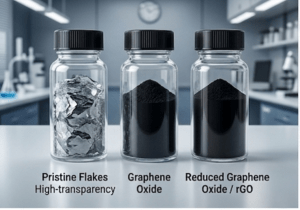
Figure 1: Graphene Spectrum Varieties (Pristine, GO, rGO)
Pristine Flakes
Consisting of un-functionalized, pure carbon sheets (typically 1 to 10 layers thick). It retains the highest electrical and thermal conductivity profiles.
Graphene Oxide (GO)
An oxygenated variant heavily functionalized with hydroxyl, epoxy, and carboxyl groups on its basal planes and edges. Excellent for polymer integration.
Reduced GO (rGO)
Created by removing oxygen groups from Graphene Oxide. Restores the conjugated $sp^2$ carbon network, bringing back electrical conductivity and strength.
Understanding these variants is crucial when trying to navigate the highly volatile Graphene Price per Kg in India, as processing costs vary significantly between grades.
The Great Agglomeration Nightmare
The single biggest technical hurdle in industrial nanotechnology application is agglomeration. Because nanomaterials possess an incredibly high specific surface area, individual sheets are driven by powerful, natural Van der Waals forces to attract one another.
When raw graphene powder is unceremoniously dumped into a liquid polymer, solvent, or concrete slurry without proper surface engineering, the individual nanoscale sheets instantly clump together. They form macro-scale particles that behave like ordinary, brittle graphite flakes. Instead of reinforcing a matrix, these clumps act as structural defect sites. You must partner with an organization that masters surface chemistry, functionalization, and pre-dispersed formulations.
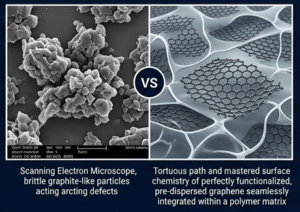
Figure 2: Microscopic Agglomeration vs Stable Formulations
II
The 6-Point Evaluation Framework
A rigorous technical blueprint to separate small lab operations from scalable, reliable multi-ton manufacturing enterprises.
True Mass-Volume Capacity
Ensure the facility manufactures at high volumes to prevent supply chain blocks. For a holistic view of the national landscape, you can cross-reference our global strategy manual on Graphene in India: A Complete Guide to Indian Suppliers’ Market Footprint.
Batch-to-Batch Consistency
Strict metrics for XY dimensions, layers (Z dimension), and oxygen percentage must remain stable under rigorous quality controls.
Intermediate Dispersion Formats
Seek pre-dispersed intermediate formats in water, IPA, DMF, or masterbatch polymers to avoid handling challenging raw dust powders.
Co-Development & R&D Tech
Nanotech integration requires rigorous co-development. Explore the openPR document highlighting how BTCORP is Scaling India’s Nanotechnology Sector to Global Heights.
Approvals, Safety, and IP Security
Verify valid ISO certificates, registered office safety, and patent-backed pathways. Details can be found at The Economic Times Corporate Profile for BTCORP.
Environmental (EHS) Compliance
Examine green chemical reduction pathways and clean MSDS sheets. Discover more in Saving the Planet with Nanotechnology: The Green Side of BTCORP.
Advanced Characterization Checklist
Required Quality CoA
| Characterization Method | Analytical Purpose | Action Target |
|---|---|---|
| Raman Spectroscopy | Verifies carbon structural defects | D/G band ratio checks |
| SEM / TEM microscopy | Confirms lateral XY sizing and flake layer counts | Checks physical shapes |
| X-ray Diffraction (XRD) | Measures interlayer distance spacing | Crystalline purity confirmation |

Figure 3: QA Analytical Laboratories & Microscopic Testing
III
Detailed Analysis of the Top 3 Graphene Suppliers in India
Continuous industry audits, as mapped in our sitemap overview (verbatim reference: image_9c3bd0.png), pinpoint these elite market-leading supply divisions.
BTCORP Industrial Bulk Supply Division
Industrial Production Headquarters: Bengaluru, Karnataka (Est. 2012)
Corporate Profile & Evolutionary Journey
Operating for well over a decade, BTCORP Generique Nano Pvt. Ltd. has evolved into arguably the most comprehensive and technically advanced nanomaterial ecosystem within the Indian subcontinent. Founded in 2012, the enterprise recognized early on that the primary commercial roadblock for graphene was not a lack of scientific interest, but a lack of scalable, consistent, industrial production methods.
Today, the organization is widely recognized as India’s first true real-scale industrial bulk manufacturer of graphene. Operating at massive multi-metric-ton annual production capacities, BTCORP provides the commercial marketplace with consistent, highly reliable material streams that meet rigorous global quality control criteria.
Comprehensive Raw Material Portfolio
- Pristine Bulk Graphene: High-purity, multi-layer graphene structures ideal for applications demanding uncompromised thermal and electrical network formations.
- Graphene Oxide (GO): Highly exfoliated sheets featuring extensive oxygen functionalization, allowing for direct, stable dispersion into aqueous environments.
- Reduced Graphene Oxide (rGO): Chemically or thermally reduced grades engineered to strike an optimal balance between surface chemical reactivity and high electrical performance.
- Carbon Nanotubes (CNTs): Multi-walled options utilized alongside graphene matrices to create hybrid, three-dimensional networks.
- Metallic Nanoparticles: Specialized elemental and oxide particles designed for advanced catalytic and electronic applications.
Masterful Customization and Formats
Where BTCORP truly separates itself from conventional chemical suppliers is its profound mastery of material delivery formats. Recognizing that factory floors often struggle to handle raw nanomaterial powders safely and effectively, BTCORP offers fully tailored intermediate delivery systems.
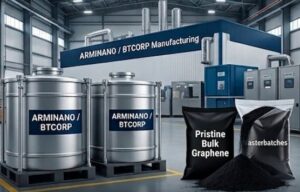
Figure 4: BTCORP Heavy B2B Bulk Manufacturing Facility Floor
Verified Local Support
Industry Sectors Matrix
BTCORP Global Contract Research & Dispersions Division
Advanced R&D Facility & Co-Development Desk: Bengaluru, Karnataka
Core Focus: Custom Nanotechnology Engineering
Beyond simple physical bulk supply, BTCORP functions as an advanced nanotechnology incubation and co-development partner for enterprises worldwide. By dedicating 30% of its corporate framework to Global Contract Research (CR) Services, the organization works directly with corporate engineering divisions.
This specialized division is responsible for formulating high-stability graphene dispersions inside diverse carrier mediums (aqueous, organic solvents like IPA/DMF, and specialized polymers) to match client production processes without causing agglomeration or mechanical failure.
Service Matrix and Custom Synthesis Capabilities
- Custom Chemical Functionalization: Modifying the structural surface of Graphene sheets with precise chemical endgroups to enhance matrix compatibility.
- Rapid Material Prototyping: Designing and validating composite test-batches for paint, battery, and structural concrete manufacturers.
- Technical Consulting Services: Complementary advisory loops for all bulk procurement clients, ensuring zero processing failure at the factory floor level.
BTCORP ARMI® Advanced Coatings & Retail Division
Consumer and Contractor Formulation Hub: Bengaluru, Karnataka
Consumer-Facing Innovation: The ARMI® Ecosystem
BTCORP’s flagship retail arm, **ARMI® (Advanced Research Material Intrics)**, serves to translate complex nanotechnology into immediately usable, high-performance retail and commercial compounds. Exported to over 40 countries, the ARMI® brand bridges the gap between scientific synthesis and practical everyday maintenance needs.
This specialized division designs highly acclaimed surface modifications, anti-dust layers, self-cleaning sprays, and green-certified home care surfactants that deliver advanced molecular protection directly to retail users and commercial cleaning contractors alike.
Key Performance Products & Solutions
- ARMI® Solar Panel Nano Coating: A highly hydrophobic, anti-soiling chemical coating that stops dirt build-up, maximizing light capture. Detailed instructions are available on How to Stop Your Solar Panels From Losing Money.
- ARMI® Long-Term Protection Spray: A medical-grade, professional-recommended antimicrobial sanitizer that stays active for up to 100 days across high-hygiene surfaces.
- Sustainable FMCG Range: Eco-friendly detergent liquids and dishwashing gels constructed using green, non-toxic synthesis routes, fully discussed in our review on Eco-Friendly Detergent Liquid Famous Brand.
Leadership Spotlight: M. Naushad Ali — The Techno-Commercial Mind Behind BTCORP
The technological design and commercial roadmap across all three BTCORP supply pillars are guided directly by its Co-Founder and Chairman, M. Naushad Ali. An M.Tech in Nanotechnology with extensive European research credentials, Ali served as an Ex-Marie Curie Fellow under the European Commission and conducted scientific operations inside NATO-linked laboratories.
His academic trajectory includes collaborative tenures across premier Indian institutions—including AIIMS, IIT Delhi, BARC, Jamia Hamdard University, and Amity University—with formal recognition from CSIR. Holding a Pharmacy Council license, alongside 12+ nanotechnology patents and over 100 published research papers, Ali’s multi-disciplinary background ensures that every customized graphene run or consumer spray is engineered to the highest possible standard of excellence.
IV
Granular Comparison Matrix of the Top 3 Graphene Suppliers in India
A structured technical reference comparing the three distinct industrial supply channels within BTCORP’s ecosystem.
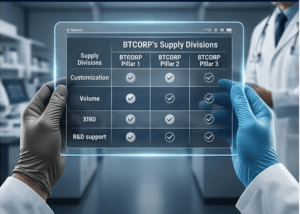
Figure 5: Procurement & Strategic Evaluation Framework Dashboard
| FACTOR | BTCORP BULK B2B DIVISION | BTCORP R&D & DISPERSION DIVISION | BTCORP ARMI® RETAIL DIVISION |
|---|---|---|---|
| Core Supply Focus | Bulk material logistics, raw powders (GO, rGO), and masterbatches. | Custom fluid dispersions, chemical functionalization, and rapid prototyping. | High-science ready-to-use coatings, disinfectant sprays, and green FMCG lines. |
| Delivery Format | Multi-metric-ton raw powder batches and compounded carrier polymer pellets. | Stable liquid suspensions inside water, IPA, DMF, NMP, or industrial oils. | E-commerce, quick-commerce, and institutional contractor spray bottles. |
| Target Customer Base | Large-scale industrial compounding lines, battery, and paint manufacturers. | Corporate R&D desks, research universities, and custom product developers. | Solar farm maintenance, railway contractors, detailing hubs, and homeowners. |
| Technical Engineering Loop | Standard Certificate of Analysis quality loops with bulk production security. | Deep co-development partnership, surface functional tuning, and mixing tests. | Standard application guides, retail customer support, and usage safety protocols. |
V
Step-by-Step Procurement Roadmap
The scientific and commercial steps necessary to seamlessly integrate nanomaterials into your corporate pipeline.
1
Define Precise Target Performance Metrics
Never approach a graphene supplier with a vague request like “We want to make our polymer better using graphene.” You must define precise, quantitative, measurable target metrics. For an overview of how properties dictate cost structures, see Graphene Properties, Uses, and Price.
2
Assess Internal Material Processing Equipment
Honestly audit your factory floor capabilities. Do you possess the high-shear extrusion or intensive liquid blending equipment needed to process fine nanostructured powders safely and uniformly? If not, restrict your procurement search to suppliers that offer pre-stabilized formats.
3
Initiate Small-Scale Sample Testing Protocols
Request initial testing samples ($50\text{g}$ to $500\text{g}$ for powders, or $1\text{L}$ to $5\text{L}$ for liquid dispersions) from your selected vendor list to run pilot-scale performance testing.
4
Audit Vendor’s Supply Security and Scalability
Once pilot testing confirms technical viability, transition to a commercial audit. Verify production capacity limits, examine regulatory filings, and ensure compliance. For investment-grade evaluations, procurement teams can also check the Graphene in India: Suppliers Stock Market Guide to audit fiscal health.
VI
The Future Landscape of Nanotechnology in India
How nanoscale engineering is shaping clean energy, structural integrity, and smart city infrastructure.
Decarbonization
Graphene will play a monumental role in reducing industrial carbon footprints. By dramatically increasing the strength of structural concrete and plastics, companies can use significantly less raw material.
Smart Cities
Nanocoatings, like those developed under BTCORP’s ARMI® portfolio, will transform standard surfaces into functional assets. Commercial glass panels, solar farms, and public transit networks will increasingly rely on hydrophobic layers.
Hyper-Hygiene
In a world hyper-focused on public safety, long-term antimicrobial surface coatings will transition from optional luxuries into standard building codes for hospitality and healthcare environments.
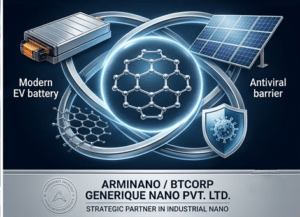
Figure 6: Advanced Carbon Nanotech applications in green energy & hygiene ecosystems
Conclusion: Making the Strategic Selection
Choosing an advanced materials partner is a decision that impacts your company’s technical capabilities and market positioning for years to come.
By evaluating your internal material compounding parameters and target performance requirements against the physical properties of custom-functionalized graphene derivatives, you can confidently ride the nanotechnology wave.
Section VII
Frequently Asked Questions (FAQs)
Answers to essential queries regarding graphene sourcing, properties, pricing, and industrial application standards.
Ans: Graphene Oxide (GO) is heavily oxygenated, making it hydrophilic (water-loving) and non-conductive, which is excellent for aqueous solutions and polymer mixing. Reduced Graphene Oxide (rGO) has most oxygen groups removed, restoring its electrical conductivity and making it ideal for electronics, batteries, and anti-static materials.
Ans: Graphene powder is extremely light, has low bulk density, and poses airborne inhalation risks. Furthermore, without advanced mixing equipment, dumping raw powder directly into manufacturing lines causes severe clumping (agglomeration), neutralizing its nanostructured benefits.
Ans: A masterbatch consists of graphene engineered and pre-dispersed inside standard polymer pellets (like Polypropylene, Polyethylene, or Nylon). This allows plastic manufacturers to feed graphene into their existing injection molding or extrusion machines without dealing with loose nanomaterial powders.
Ans: The price varies heavily depending on purity, flake size, and total volume. For a comprehensive economic breakdown, you can check our detailed industrial insight on Graphene Price in India.
Ans: Yes. BTCORP’s premium nano-enabled household lines and performance coatings are directly accessible via the ARMI Amazon Brand Store.
Ans: Key sectors include energy storage (batteries/supercapacitors), aerospace, polymer composites, industrial automotive paints, electronics (EMI shielding), and smart city infrastructure (protective surface nanocoatings).
Ans: BTCORP Generique Nano Pvt. Ltd. is widely acknowledged as India’s first true bulk producer, manufacturing multi-metric-ton annual capacities with certified chemical batch consistency. For historical context on this milestone, see Who is the Leader in Graphene?.
Ans: You should always ask for a verified Certificate of Analysis (CoA) backed by Raman Spectroscopy (to verify structural purity), Scanning Electron Microscopy/TEM (for flake size and layer counts), and X-ray Diffraction (XRD).
Ans: The coating creates a permanent hydrophobic, anti-dust, and self-cleaning layer on the glass surface. This maximizes light transmittance and stops dirt from blocking solar cells. Learn more in our dedicated guide: How to Stop Your Solar Panels From Losing Money.
Ans: You can verify our registered office tracking and company standing through The Economic Times Corporate Profile for BTCORP.
Ans: When formulated properly by material scientists, customized liquid dispersions stay suspended indefinitely without settling or re-clumping. For product specific variations, see our detailed Graphene Supplier in India Portal.
Ans: B2B buyers can evaluate our wholesale status, structural grades, and trade certifications directly on our verified IndiaMART Corporate Profile.
Ans: Yes. Integrating specialized liquid graphene additives into Ready-Mix Concrete (RMC) accelerates the hydration process, yielding higher compressive strength early on, which ultimately reduces the volume of cement needed for projects.
Ans: Yes, when handled via safe consumer-product derivatives. BTCORP uses patented green synthesis routes to engineer safe home essentials, which you can read about in our feature on Natural and Non-Toxic Detergent Options.
Ans: Absolutely. BTCORP derives roughly 30% of its global revenue from offering elite Contract Research Services (CR), letting corporations prototype, test, and functionalize graphene explicitly for their unique product matrices.
Ans: Unlike traditional chemical disinfectants that evaporate in minutes, a single application of this medical professional-recommended spray forms an active antimicrobial micro-barrier that protects hygiene-critical surfaces for up to 100 days.
Ans: For immediate regional queries, industrial appointments, or local tracking desks, visit our Justdial Bengaluru Portal.
Ans: Yes, institutional investors looking to capitalize on macro trends can refer to our evaluation map: Graphene in India: Suppliers Stock Market Guide.
Ans: BTCORP provides domestic multi-metric-ton security, completely eliminated import logistics delays, localized custom-tailored dispersion tuning, and complimentary technical engineering support for every bulk client.
Ans: Because individual sheets are infinitely small and tightly packed, they act as an impermeable physical wall inside the dried paint matrix. This creates a “tortuous path” that prevents moisture and oxidants from ever reaching the structural metal below, halting rust in its tracks.